The Saudis need a new strategy, fast
With its key oil pipeline shut, the Houthis gaining ground in Yemen and Turkey and Pakistan standing idle, Riyadh’s diplomacy and defense pact offer little protection

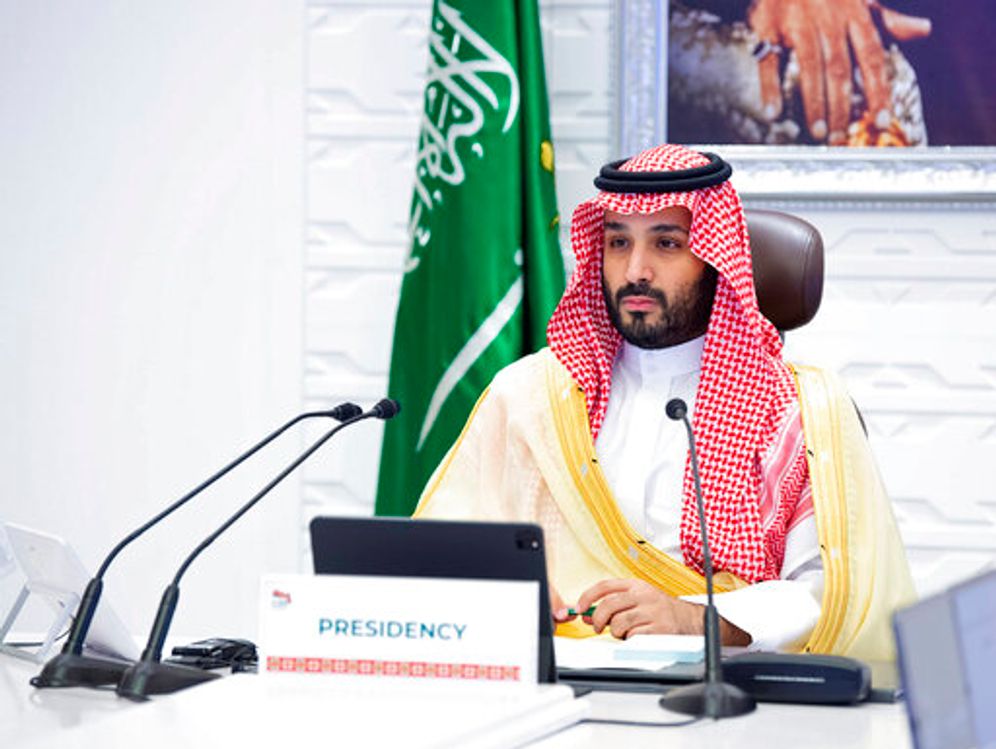
It’s been just over a month since Saudi Arabia, Turkey and Pakistan signed “the Mecca Joint Defense Agreement.” The agreement includes a collective security clause modeled on NATO's Article 5, stating that an armed attack on any one member is considered an attack on all three.
Since then, Saudi oil and energy sites have been hit in at least four major, distinct cross-border attacks, with the most recent attack on its key East-West pipeline in both Riyadh and Medina, forcing it to shut down. Turkey and Pakistan did not lift a finger. Add to that the Houthis driving out Saudi-backed forces from the Yemeni coast, and the militia’s takeover of the Bab el-Mandeb Strait, it’s been a rough month for the Saudis. More like a rough six months.
From the moment Iran closed the Strait of Hormuz at the start of the war, essentially blocking the export of oil through the waterway, Saudi Arabia, like all other Gulf Arab countries, was left scrambling. Despite reaching a raproachment with Iran in 2023, the Islamic Republic attacked Saudi energy sites and infrastructure hundreds of times. There were singular reports of Saudi forces striking in Iran and Iraq during the war, but these strikes were insignificant to the course of the war.
Riyadh did have some alternatives. It was already exporting a smaller quantity of oil out of the kingdom’s west coast, mainly through Yanbu. It decided to increase capacity at its key East-West pipeline, which allowed it to bypass the Iranian blockade in Hormuz. It worked to a limited degree, until Iranian-backed militias in Iraq attacked it, taking it offline.
At the same time, Riyadh has continued to maintain open dialogue with Tehran, even as it was attacking the kingdom. There is even going to be a summit in Oman on Monday bringing together Iran, the six GCC countries, and Iraq. Tehran is coming to this meeting to make announcements, not consessions.
Additionally, while the quarrel between Saudi Arabia and the UAE requires a much deeper dive, looking for a second at its manifestation in Yemen, there are critics who link the departute of Emirati-backed forces from the scene, thus weakening the opposition, to the Houthis feeling emboldened, opening the door for a potential manuveure, which happened. In recent months, Iran has sent hundreds of IRGC advisors to Yemen to assist the Houthis in planning their attack, while still talking to the Saudis.
What is Riyadh saying? One newspaper in the kingdom explained that Saudi-backed Yemeni government forces pulled out of the coastal area “as an elaborate trap to lure the Houthis out of their hideouts,” and that government forces will turn the territory into a graveyard for the Iranian-backed militia with their “kill zone” around the port city of Mocha. There aren’t too many buyers to this explanation. There are many more people scratching their heads, wondering “what the hell are the Saudis doing?” I’m one of them.
The Saudi strategy is incoherent. Its economy is shrinking. Iran has eclosed the Arabean Peninsula in Hormuz and Bab el-Mandeb. And while the kingdom has some of the world’s most advanced U.S.-made fighting systems, it is unable to translate that into acheivements on the battlefield.
So, to recap: in the last six months, Iran takes control of the Strait of Hormuz, the Houthis take control of Bab el-Mandeb, Aramco sites are attacked by IRGC, Iraqi militias and Houthis, the key East-West pipeline shuts down after attacks by Iraqi militias, and the Mecca Alliance is proven worthless.
Riyadh needs a new strategy, fast.