IDF review panel: 'systemic and long-standing failures' caused Oct. 7 catastrophe
The long-awaited internal review exposes deep structural flaws, ignored intelligence, and complacency at every command level, concluding that the October 7 Hamas attack was preventable

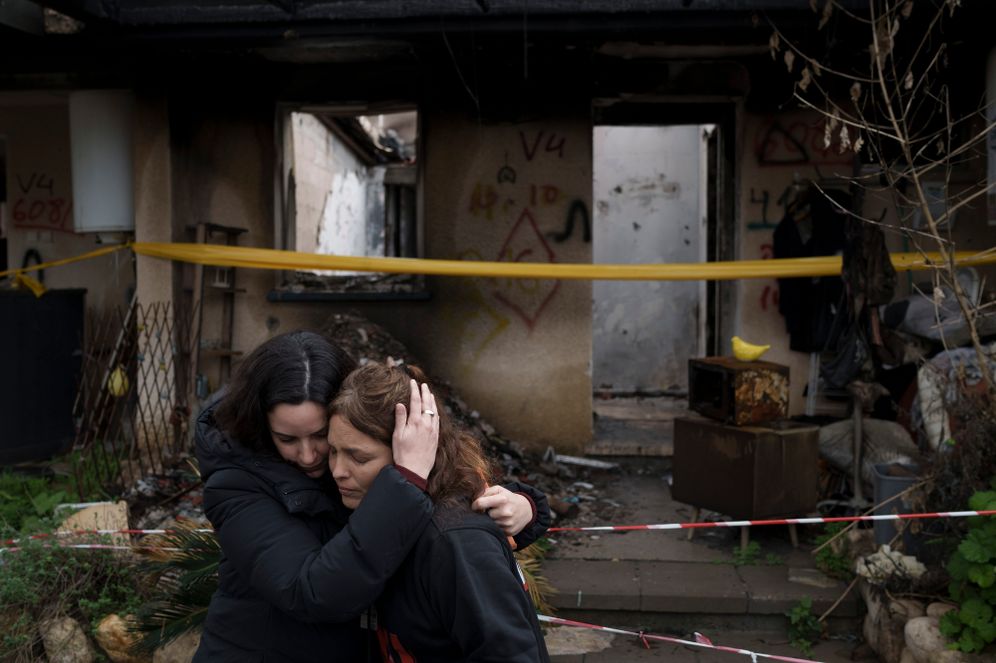
A panel of military experts appointed to review the Israel Defense Forces’ (IDF) handling of the October 7 Hamas attack has concluded that the massacre resulted from “a systemic and long-standing organizational failure.”
The report found that the army had access to “high-quality and exceptional intelligence” before the assault, but failed to interpret it or issue a warning.
The review determined that the Hamas attack “did not emerge from an information vacuum.”
According to the findings, significant intelligence accumulated on the night of October 6–7 that, if properly analyzed, could have led to a clear warning and defensive action. Instead, the report concludes, no meaningful steps were taken by the IDF’s frontline or reserve forces, despite the availability of crucial information.
The investigation highlights a deep-seated pattern of institutional weakness and flawed decision-making. It cites failures in the army’s perception of Hamas and the Gaza threat, shortcomings in intelligence collection and analysis, neglect of the “Jericho Wall” defense plan, and an operational culture that tolerated poor norms and complacency.
The report also points to an enduring gap between threat assessments and the army’s actual level of preparedness, as well as deficient decision-making and leadership on the night of the attack.
The panel noted that throughout 2023, senior officials had warned that Israel’s enemies perceived growing internal division that was eroding deterrence. Despite these warnings, military leaders failed to take the necessary actions to improve readiness or raise alert levels.
Responsibility for the failure, the report makes clear, is spread across the chain of command. The General Staff was faulted for underestimating the enemy, while the Intelligence Directorate (Aman) was found to have failed in providing early warning, identifying Hamas’s strategic buildup, and conducting broad, ongoing intelligence assessments.
The Southern Command neglected its duty to prepare for an attack and did not adapt its deployment to the evolving threat. The Gaza Division, directly responsible for the border area, failed in its defensive mission and ignored intelligence that should have prompted higher alert. The Air Force and Navy were also criticized for lacking effective low-altitude and coastal defenses and for failing to conduct proper situational assessments that night.
After reviewing 25 internal IDF investigations, the panel found wide variation in their quality. While many commanders acted with integrity, some of the inquiries were incomplete or inadequate. The report also noted key areas that had not been examined at all, including the handling of intelligence information in the years preceding the attack and the systemic failures surrounding the Jericho Wall project.
Despite its harsh findings, the report commended the heroism of the female border surveillance operators, describing their conduct as “professional, exemplary, and composed until their last breath.” It also praised the bravery of local security coordinators and emergency response teams, whose quick actions helped prevent even greater loss of life in several communities near the Gaza border.