Inside Gaza: The IDF’s mission three years after October 7
Inside Gaza’s buffer zone, IDF officers say Hamas is rebuilding during the ceasefire, while displaced Israelis still fear returning home

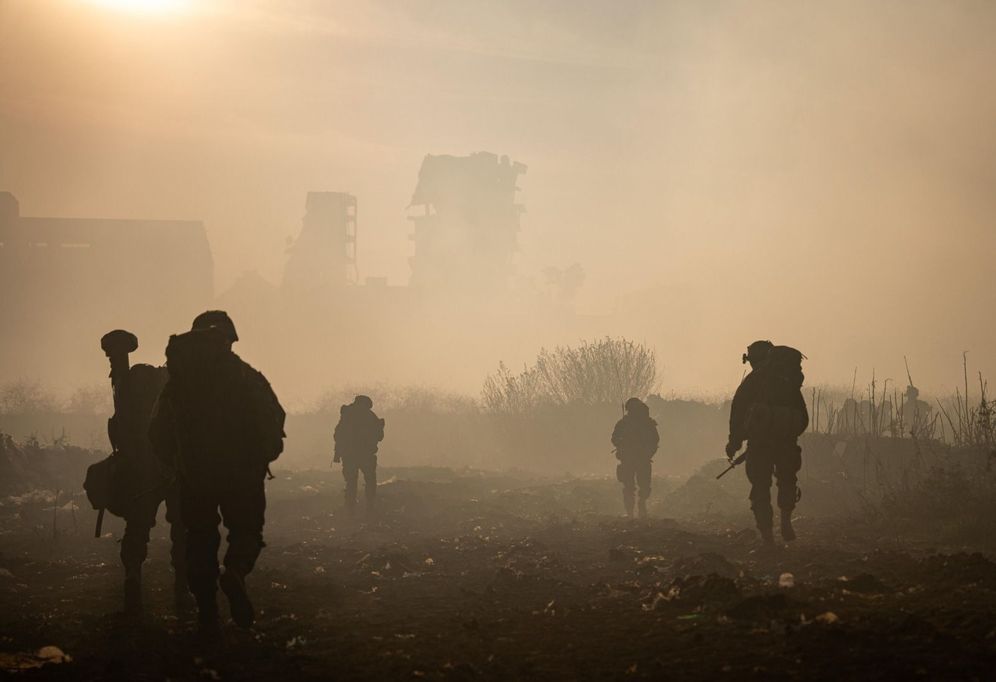
Three years after the October 7 massacre, Israeli troops are no longer in bases overlooking Gaza from the border.
Dozens of outposts are now positioned throughout the Gaza Strip, well beyond the fence Palestinian terrorists breached to attack Israel’s southern border communities. The geography of Gaza has drastically changed over the past three years, but Israel’s central security question remains: Has Hamas been stripped of the ability to pose a threat to Israel?
During an IDF embed, i24NEWS visited Israeli positions inside the buffer zone in Gaza. Since the October 2025 ceasefire framework, Gaza has been divided by the Yellow Line, with Israeli forces controlling an estimated 63% of the Gaza Strip.
The U.S.-backed Board of Peace is intended to oversee Gaza’s transition, including Hamas’s disarmament and an eventual Israeli withdrawal. Those steps remain unfinished.
On the ground, the deputy commander of the Gaza Brigade described the immediate task in defensive terms.
“Our main mission right now is to defend and be ready for future possible developments.”
He said troops had dismantled most of the terror infrastructure in the area now controlled by the IDF, with nearly every building holding some sort of weaponry.
“I can't describe the feeling of getting into a house and then a different house, and every one of them has ammunition in it, has a tunnel going from it to another building next door.”
i24NEWS went inside one tunnel underneath what used to be the town of Shejaiya, less than 800 meters away from Israel’s Nahal Oz. The tunnel is equipped with infrastructure built beneath Gaza over the course of years, including toilets, potable water, and lighting illuminating the cold concrete walls.
According to officers briefing i24NEWS, the military has destroyed the vast majority of tunnels in the areas it controls. However, a substantial percentage of the tunnel network in areas under Hamas control is believed to still be intact, with the military unable to provide an exact estimate of the surviving network. The officers said Hamas is using the ceasefire to rebuild, regroup and rearm.
“If most of their resources wouldn't go underground, and they wouldn't have embedded themselves inside the population, and they would invest in, I don't know, making this place a different place, it would have looked completely different,” the deputy commander said.
The military also says that Hamas continues to test Israeli defenses near the Yellow Line, including by sending children toward different positions to observe troops’ responses.
“You have to understand: it's a fanatical organization in a survival mode,” the deputy commander said. “They will do absolutely anything they can to try and survive this time. And our mission is not to allow that thing.”
For Israeli residents across the border, knowing Hamas still has some capabilities is what prevents them from returning home.
“I really, really, really miss my home. I miss the kibbutz. But I can’t return because I don’t feel safe,” says Rona Epstein, an IDF staff sergeant who grew up in Kfar Aza.
Epstein lost five family members in the October 7 attack. Three years later, the prospect of returning home remains tied to a larger question: whether she can feel secure while Hamas remains across the border.
“I was growing up here believing in peace, believing that I’m safe and nothing like that would ever, ever happen. But we have discovered: no matter how big our army is, it doesn’t matter … They can still break the border. They could still do it again. And they wish to do it again,” says Epstein.
Three years after the massacre, security for families from Kfar Aza will also depend on the lessons drawn from the failures of October 7 and the policies put in place to prevent future threats. The measure of progress will be whether those changes give them reason to feel safe enough to return.