Mimouna: Secrets behind the celebration’s unique history
Mimouna serves as an example of how traditions can evolve and flourish in modern times while still maintaining respect for cultural heritage

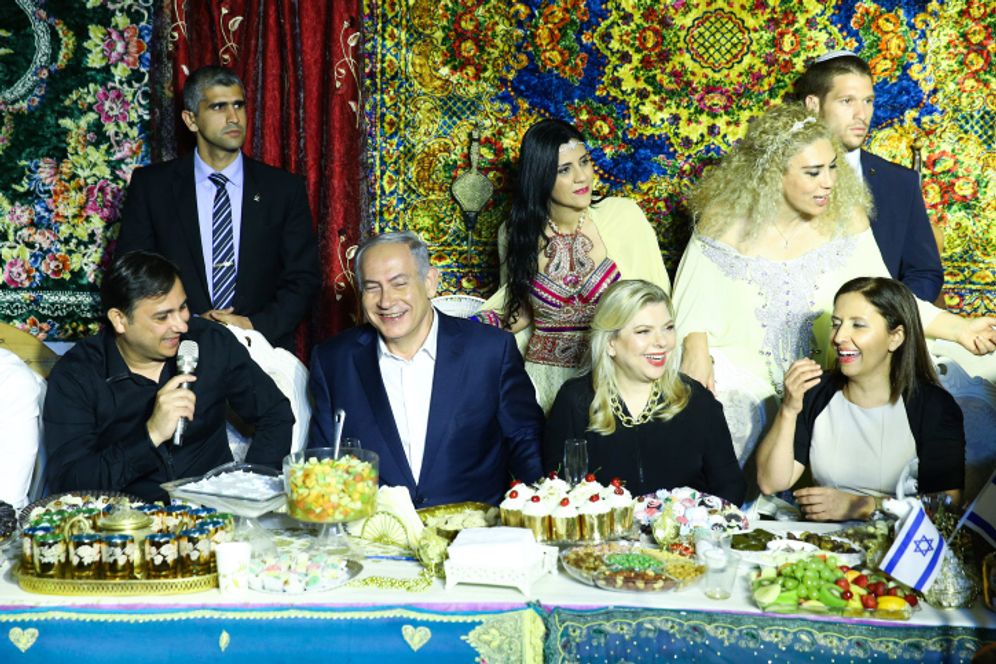
On Wednesday evening, millions of Israelis marked the end of Passover and the return to eating chametz (leavened goods) by celebrating Mimouna, a traditional Maghrebi Jewish celebration dinner.
Tomorrow night, the rest of Israel and Jews around the world will follow suit.
What is behind the Sephardic celebration of Mimouna? And why has it become such an ingrained and widespread tradition in Israeli culture? i24NEWS conducted a survey to investigate these questions.
We first had to go back in time, through ancient scriptures and testimonies from researchers and rabbis. It seems that Mimouna's origins lie at the heart of the Moroccan Jewish community of the 19th century, even if older references to similar celebrations are found in texts from the 11th century in Tunisia.
Professor Haim Ze’ev Hirschberg, an Israeli author who died in 1976, left behind an important work of history covering Jews in Muslim lands, including a book about Mimouna. According to him, the feast is “a celebration of reconciliation that takes place after the Passover holiday to celebrate the end of the food restrictions imposed during this period.”
It is also considered a festival of transition from the dark days of winter to the brighter days of spring, thus symbolizing rebirth and hope.
The name “Mimouna” itself also has several interpretations. For some, it is derived from the Hebrew word ma’amin, which translates to “believers,” referring to the faith of observers who believe in the deliverance of salvation during the Hebrew month of Nissan, when Passover occurs. Others say the word comes from the Arabic term mammon, which means “wealth” and symbolizes prosperity and success.
But one thing is clear: Mimouna is much more than a simple celebration of food. It has become a time of gathering with friends and family, a time of joy and fellowship where traditional dishes—sweet treats, wine, and beer—are shared.
The mofletta, for example, is a kind of sweet pancake that has become a symbol of this festive evening for many Israelis.
However, customs vary between communities. During the celebration, some continue to eat Passover foods, while others “break” the holiday diet of not eating “chametz” – all leavened foods made of grain, like bread, cookies, cereal, and pasta.
Mimouna is also marked by specific rituals. Participants dress in traditional attire and sometimes engage in fiery dances. It is also customary not to linger at a single home, but instead, visit several hosts throughout the night to share the joy with several families.
Throughout Israel, houses are open to strangers and addresses circulate on social media for those who would like to “embed themselves” in a nearby Mimouna. Houses are carefully decorated with white tablecloths and floral ornaments, reminiscent of Hirschberg’s picturesque description of his visit to the Moroccan city of Fez in the 1950s.
But above all, Mimouna has become an important date in the Israeli calendar. This traditional holiday has grown in popularity at lightning speed, even among Ashkenazi Jews.
Many customs unique to each Jewish community were lost when Jews from all over the world immigrated to Israel. But the expanding celebration of Mimouna is a striking example of recent efforts in the country to preserve the heritage of the Sephardic community.
The exact origins of the Mimouna remain an enigma. Yet, this rich and varied tradition—which is passed down through generations and communities—contributes to the uniqueness of Israeli society, with politicians even participating in the celebratory meals.
Mimouna is thus an eloquent example of how traditions can evolve and flourish in modern times, while still maintaining respect for their cultural heritage.
Jérémie Elfassy is a digital journalist for the i24NEWS French website.