Israel: Smotrich suspends funds for Arab towns over fear of ‘terrorists'
By suspending the funds that were previously approved and allocated, Bezalel Smotrich could be pushing these Palestinian residents into terrorism

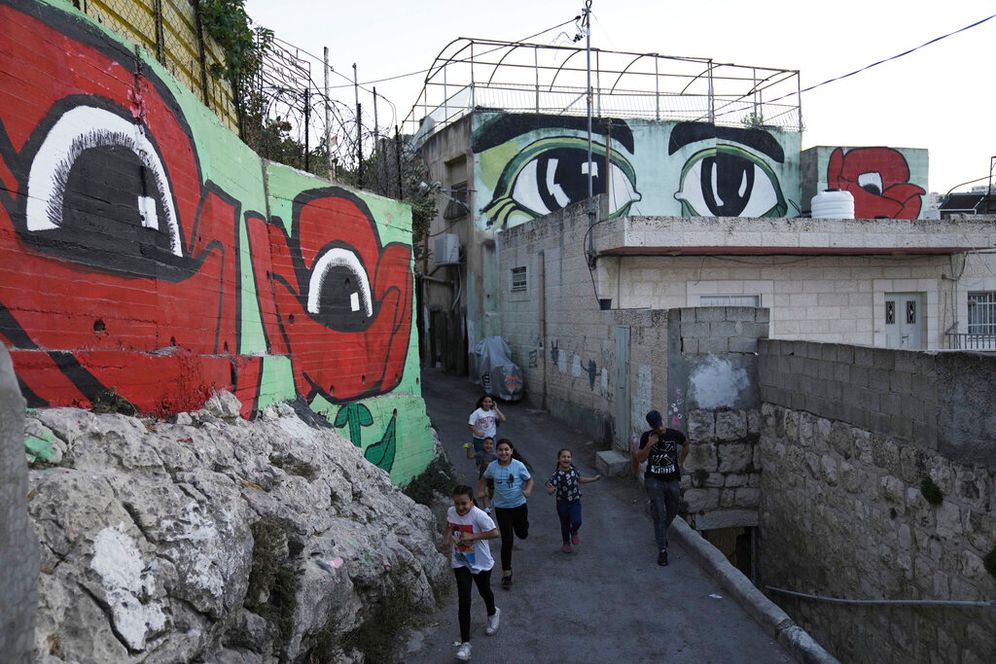
Israel's Finance Minister Bezalel Smotrich has frozen funds allocated for Arab towns and Palestinian schools in east Jerusalem, citing fears of crime and sparking accusations of racism.
On Sunday, Israel's public broadcaster Kan reported the freeze when it published a letter from Israel’s Interior Minister Moshe Arbel to Smotrich, urging him to release $54 million of the funds meant for administration and another $26.8 million for economic development.
Smotrich, a key member of Israeli Prime Minister Benjamin Netanyahu's right-wing coalition, said that some of the budget funds meant for Arab local councils were a political pay-off by the Jewish state’s previous government that could end up in the hands of "criminals and terrorists.”
"The priorities of our national government... are different from those of the previous leftist government, and we should not apologize for that," said Smotrich, head of the Religious Zionism party whose past comments about Palestinians have drawn international condemnation.
Lawmaker Mansour Abbas, who heads the United Arab List, accused Smotrich of racism, telling Reuters that "Arab citizens are entitled to those funds, which were meant to close the gaps between Arab and Jewish communities.”
Israeli Opposition Leader Yair Lapid also accused Smotrich of "abusing Arab citizens simply because they are Arab.”
The extra funds, designated in 2022 for 67 Arab councils, essentially acknowledged years of insufficient resource allocation to Arab localities, said Ameer Bisharat, head of the National Committee of Arab Local Councils in Israel. The freeze could mean that councils are unable to provide basic services such as garbage collection or reopening schools after the summer holiday, he noted.
There’s also the angle regarding social tensions and terrorism. Those living in some Israeli-Arab towns, particularly east Jerusalem, are quite torn. On the one hand, they are not Israeli citizens, but instead residents, meaning they can travel and work throughout Israel. But on the other hand, many identify as Palestinian, and each side – the Israeli government and Palestinian echelon – wants to drag such residents to their own.
What better way for the Israeli side to support them and allow them to study in Israeli universities, getting Israeli education? While this may not make them the biggest supporters of the Zionist movement, it could distance them from terror cells operating in Palestinian schools. By suspending the funds that were previously approved and allocated, Smotrich is effectively pushing these Palestinian residents either to Palestinian schools or to the streets, where extremists are waiting.
In May, Jerusalem extended a $564 million five-year plan meant to improve education, employment, health, and infrastructure in east Jerusalem, including programs to help Palestinians integrate into Israeli academic institutions.
But Smotrich said a separate $53.7 million for encouraging academic studies among Palestinians from east Jerusalem would also be frozen until what he described as "extremist Islamic activity" on campus was eradicated.
"In recent years, radical Islamic cells have developed in Israeli universities and colleges, over and over again they express solidarity with Israel's enemies," he said on Facebook.
The Hebrew University of Jerusalem, along with three other institutions, expressed shock at Smotrich's funding decision and urged Netanyahu not to let "voices that promote hatred and racism" prevail. Security chiefs also made clear that the decision will be counterproductive, the university added.