From loss to leadership: October 7 families who entered Israel’s election race
“If I can enter the politics and make things happen differently here, I must do it"

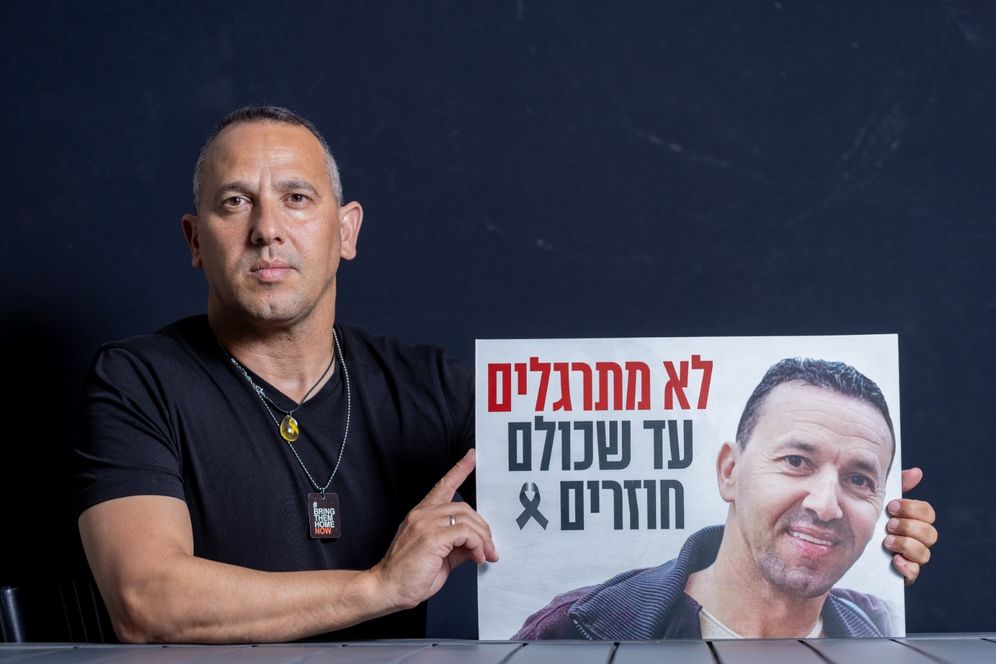
For Shira Shapiro, entering politics is a way to continue the responsibility her son assumed in his final moments: protecting others.
Her son Aner, a 22-year-old off-duty soldier and musician, was killed during the October 7, 2023, Hamas attack after throwing grenades back out of a roadside shelter where people fleeing the Nova music festival had taken refuge. He told those alongside him to keep going if he was injured.
Three years later, his mother is running for parliament with Yashar, the centrist party led by former military chief Gadi Eisenkot. She sees her candidacy as an extension of her son’s determination to save people.
“If I can enter the politics and make things happen differently here, I must do it,” she told Reuters.
Shapiro is among at least nine candidates from families directly affected by October 7 who are contesting Israel’s October 27 election. Their experiences include loss, captivity and desperate efforts to rescue relatives. Although they share a commitment to helping the country recover, they differ sharply over who should lead it.
Michal Hirsch Negri, 60, is running with the Together party, led by former prime minister Naftali Bennett. Her son Roee died fighting Hamas attackers in Kibbutz Be’eri after mobilizing comrades from his reserve counterterrorism unit.
Newly married and pursuing a career in technology, Roee urged his fellow soldiers to focus on rescuing people as they approached the devastated kibbutz, according to accounts they later shared with his mother.
Hirsch Negri said his instinct to assess a crisis and decide what could be done next guides her own approach. She wants to focus on rebuilding rather than repeatedly recounting the government’s failures.
Joining her on Together’s slate is former general Noam Tibon, 64, whose son Amir was trapped with his wife and young daughters in their home in Nahal Oz.
Tibon and his wife drove south from Tel Aviv during the attack. Along the way, he helped fight militants and evacuate wounded people before reaching his son’s home with Israeli troops. He recalled knocking on the protected window and hearing his three-year-old granddaughter announce that her grandfather had arrived.
Tibon described October 7 as the greatest failure in Israel’s history. Together is part of an alliance seeking to replace Prime Minister Benjamin Netanyahu’s coalition, whose handling of the attack and its aftermath has drawn sustained criticism.
For Sharon Sharabi, 51, the path to politics began with efforts to bring his two brothers home from Gaza.
Yossi and Eli Sharabi were abducted from Be’eri. Yossi died in captivity. Eli was released in early 2025 after almost 500 days, having also lost his wife and two teenage daughters in the attack.
Now a candidate for the right-wing Israel Our Home party, Sharon Sharabi said campaigning for the hostages convinced him that he could no longer remain outside politics. He believes the country needs better leadership.
The candidates’ shared experiences, however, have not produced a common political allegiance.
Talik Gvili, whose son Ran was a police officer killed on October 7 and whose remains were the last of the Israeli hostages recovered from Gaza, is running with Netanyahu’s Likud party.
In a campaign video, she described her candidacy as carrying forward her son’s service to Israel. She praised Netanyahu for securing the return of the hostages, including her son’s remains, and said she wanted a leader she could trust.
The divide extends to accountability for October 7. Families of victims and survivors have demanded an independent state inquiry, while Netanyahu has resisted those calls and rejected blame for the security breach.
For these candidates, the election offers a chance to turn personal experience into public influence. Their proposed paths differ, but each presents the move into politics as a responsibility shaped by the people they lost, rescued or fought to bring home.