Likud revives 'Arabs are flocking to the polls' campaign- this time targeting opposition voters
Likud plans to take advantage of a precedent-setting decision by the Elections Committee under which voter-turnout figures will be published for individual polling stations during election day

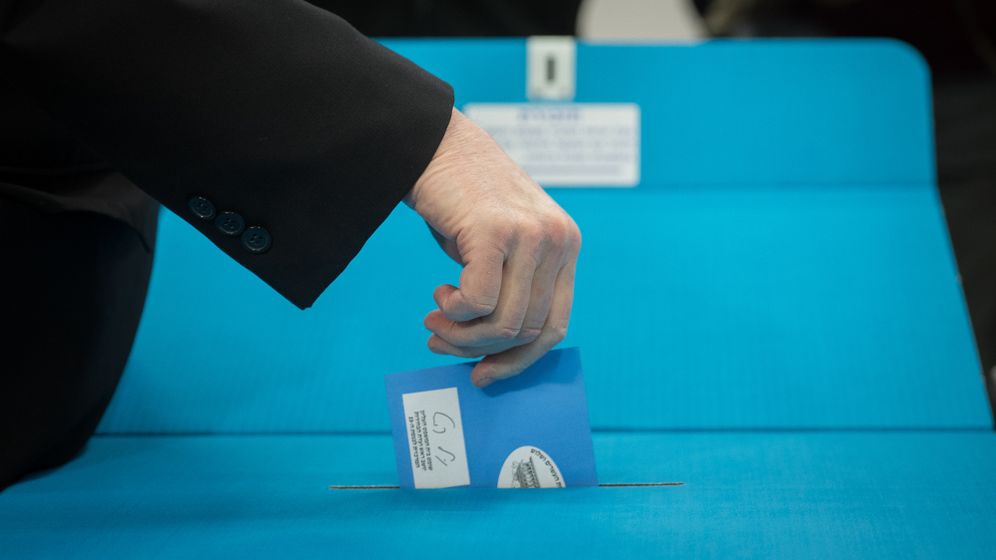
The Likud party is preparing to revive its controversial “Arabs are flocking to the polls” campaign, this time with a focus on voter turnout among opposition supporters.
Likud plans to take advantage of a precedent-setting decision by Central Elections Committee Chairman Justice Noam Sohlberg, under which voter-turnout figures will be published for individual polling stations during election day.
The party intends to use the data to mobilize its supporters by highlighting high turnout in opposition strongholds and Arab communities. Likud officials reportedly expect particularly strong turnout among opposition voters and hope that real-time updates will encourage the party’s own supporters to cast their ballots.
Sohlberg’s decision was originally presented as a compromise after Likud was barred from using the Elector voter-management system. The latest developments, however, could allow the party to benefit from both polling-station turnout data and real-time reports from its representatives about who has voted.
Following a lengthy and contentious debate on Sunday, the Central Elections Committee voted 19–11 to allow party representatives to continue reporting in real time which registered voters have cast their ballots and which have not.
Sohlberg had initially prohibited the practice. The High Court of Justice subsequently ruled that the matter fell outside his authority and returned it to the Central Elections Committee for a decision.
The controversy began last month, when Sohlberg ruled that polling-station committee members and party observers could not report voters’ identities to their parties during election day. He determined that sharing information about whether, when and under what circumstances a person voted—including the type of polling station used, such as one in a hospital or one adapted for people with limited mobility—could violate the individual’s privacy under the Privacy Protection Law.
Sohlberg also found that election law does not explicitly authorize party representatives to transfer such information for political activity and that, without clear legal authorization, the practice should be prohibited.
Likud challenged the ruling before the High Court. The court concluded last week that Sohlberg did not have the authority to decide the issue on his own and referred the matter back to the Central Elections Committee.