Iran’s unseen Supreme Leader fuels doubts as hard-liners expand influence - report
A New York Times report reveals Ayatollah Mojtaba Khamenei’s prolonged absence has raised doubts over who is directing Iran as hard-liners consolidate power

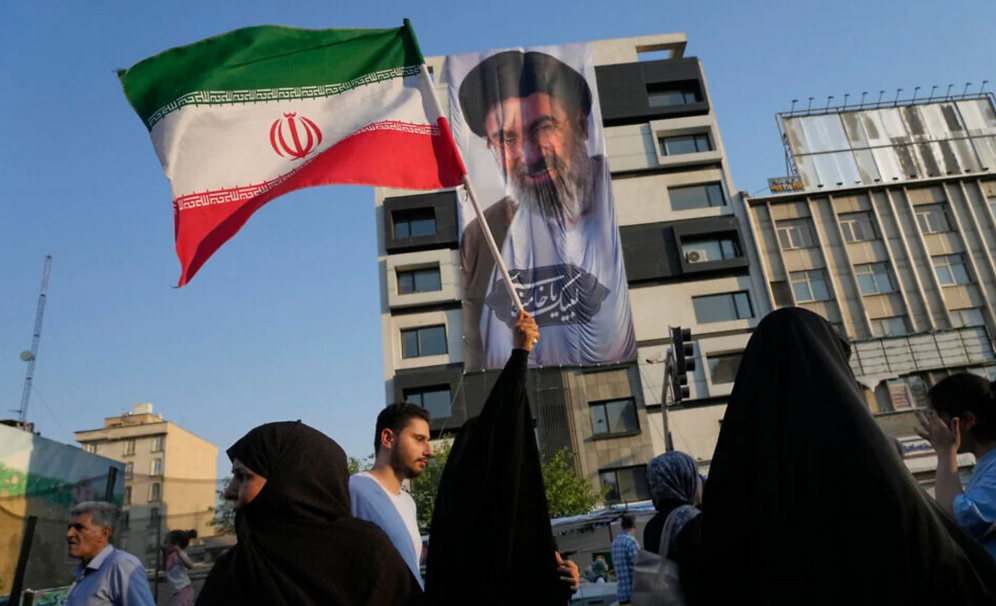
Questions about who is directing Iran’s government are intensifying as Supreme Leader Ayatollah Mojtaba Khamenei remains absent from public view, according to a new report from The New York Times.
Khamenei has not been seen or heard publicly since assuming the country’s highest office in March. Even some senior officials reportedly doubt whether written directives issued in his name are authentic, creating an opening for hard-line factions to exert greater control over government decisions.
Iranian President Masoud Pezeshkian is among those who have privately questioned whether messages attributed to Khamenei truly came from the supreme leader, the Times reported, citing three Iranian officials.
Those doubts deepened after an unusual encounter in May. According to officials familiar with the episode, Pezeshkian was driven in an ambulance with darkened windows while a secure video link was arranged. Rather than speaking directly with Khamenei, the president communicated with a man who claimed to be relaying the supreme leader’s messages.
Pezeshkian reportedly later told a trusted associate that he could not be certain Khamenei had participated in the exchange, the officials said.
The president subsequently announced another meeting with Khamenei, saying the conversation lasted nearly seven hours and addressed Iran’s economic troubles, sanctions, unemployment and national unity.
Iranian state media have since reported Pezeshkian’s insistence that the supreme leader is in good health, while independent confirmation remains limited. Khamenei had not appeared publicly after taking office.
The secrecy surrounding Khamenei’s condition and authority has sharpened uncertainty at the top of Iran’s political system.
With no visible leader settling disputes between competing factions, hard-liners appear increasingly able to shape policy without meaningful intervention from the office traditionally responsible for making the final decision.