The world's most 'liveable' city for 2026: Middle East takes another hit
Copenhagen defends its title as war and unrest reshuffle the rest of the map

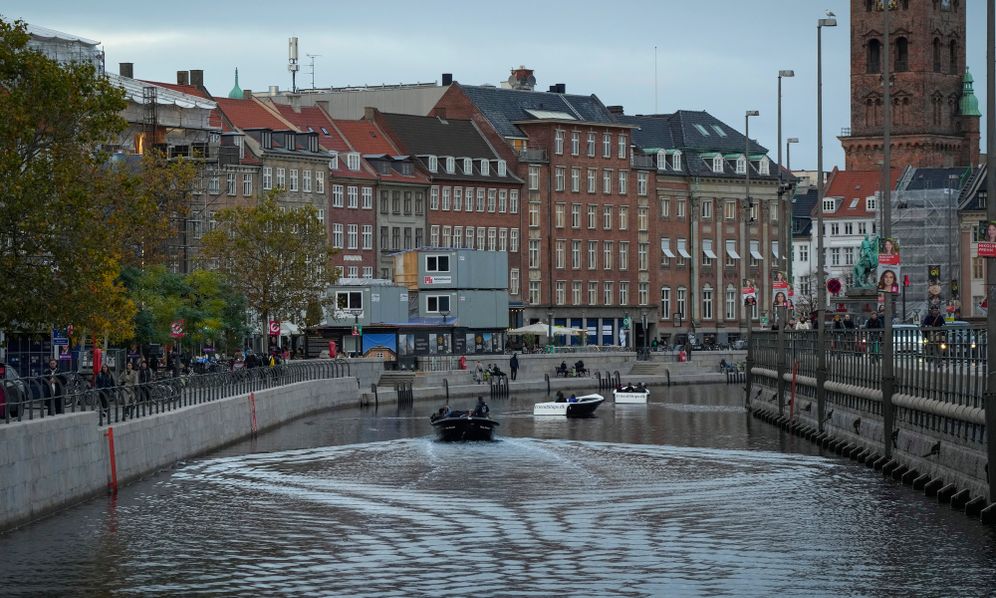
Some cities spend years clawing their way up a ranking. Copenhagen just sat back and did it again. The Danish capital has topped the Economist Intelligence Unit's annual liveability ranking for a second year running, beating out 172 other cities across the globe, and dethroning a former three-time champion in the process.
Vienna, Austria, which held the crown for three straight years before losing it to Copenhagen, came in second again. Melbourne, Australia, rounded out the top three.
So what actually makes a city "liveable"? The EIU isn't just going off vibes. Every year, analysts score 173 cities on five categories: stability, healthcare, culture and environment, education, and infrastructure.
Each category gets broken down further. Stability factors in crime rates and the threat of conflict or terrorism. Infrastructure looks at things like the quality of roads, public transit, housing, and energy supply. Education weighs access to and quality of schooling, while healthcare scores things like hospital availability and the strength of public health systems. Add it all up, and cities are ranked out of 100.
Here's the part most people don't realize: this ranking isn't just a fun list for travel nerds. Companies actually use it to figure out how much extra to pay employees they send abroad.
If you're relocating staff to a city that scores lower on stability or infrastructure, that's basically a harder place to live, so the ranking helps HR departments work out a fair "hardship" bonus for the move.
Copenhagen didn't just win overall, it scored a perfect 100 in three of those categories: stability, infrastructure, and education. That's the kind of clean sweep that's hard to argue with.
The rest of the top ten:
1. Copenhagen, Denmark
2. Vienna, Austria
3. Melbourne, Australia
4. Sydney, Australia
5. Zurich, Switzerland
6. Geneva, Switzerland
7. Osaka, Japan
8. Adelaide, Australia
9. Vancouver, Canada
10. Tokyo, Japan
A few things jump out here. Sydney, Australia, leapt from sixth to fourth place. Zurich, Switzerland, meanwhile, dropped three spots after tying for second last year. And Tokyo, Japan, cracked the top ten for the first time in a while, climbing three places thanks to stronger culture and environment scores.
Where does the US stack up?
Not in the top ten, that's for sure. Honolulu is still America's highest ranked city, even after slipping two spots to 25th. New York, on the other hand, is on the way up. The Big Apple climbed three places to 66th, and it's largely down to falling crime rates and a lower perceived risk of terrorist attacks.
The bigger story: the Middle East is paying the price for instability
This is really where the ranking tells us something bigger about the state of the world. The fallout from the war between the US, Israel and Iran has hit Gulf cities hard, and it shows up clearly in this year's stability scores.
Abu Dhabi, the capital of the United Arab Emirates, still holds the title of most liveable city in the Middle East. But even that comes with an asterisk this year. The war with Iran effectively shattered the UAE's push to brand itself as a top global destination for expats and businesses. Doha, Qatar, long a magnet for expats chasing tax-free salaries, dropped seven spots to 108th. Dubai and Abu Dhabi, the UAE's two biggest cities, each fell four places, landing at 79th and 76th respectively.
Muscat, the capital of Oman, had the single biggest fall of any city on the list, dropping 14 places to 123rd. Kuwait City, Kuwait, wasn't far behind, sliding 12 spots to 105th.
Tehran, Iran, fell even further down the list, and Kyiv, Ukraine, still reeling from the war with Russia, dropped too. Damascus, Syria, held onto its unfortunate title as the least liveable city in the world, a spot it's occupied for years now.
Meanwhile, Asia is quietly climbing
While the Middle East was losing ground, Asia's average liveability score actually went up, largely because of healthcare improvements. Chinese cities were a big part of that story. Fuzhou, in southeastern China, jumped seven places to 93rd, helped along by a new long-term care insurance system and a broader national push to improve healthcare access.
And the UK is finally bouncing back
After a rough year marked by rioting and unrest, British cities clawed their way back up the rankings. Manchester is once again the UK's highest ranked city, landing at 52nd, just ahead of London at 54th and Edinburgh at 64th.
The takeaway
Global liveability didn't really move much this year on average, but that's only because two big trends cancelled each other out: instability dragging down the Middle East, and healthcare gains lifting Asia. As EIU's industry director Ana Nicholls put it, the numbers only look flat on the surface. Underneath, there's a real reshuffling happening, and for the first time, nine Asian cities now sit in the global top 20, right alongside seven European ones.
Copenhagen, for now, remains untouchable.