European Commission VP seeks to further tighten sanctions against Russia
Brussels is pursuing a strategy of long-term economic weakening, despite the adaptation and circumvention capabilities developed by Russia

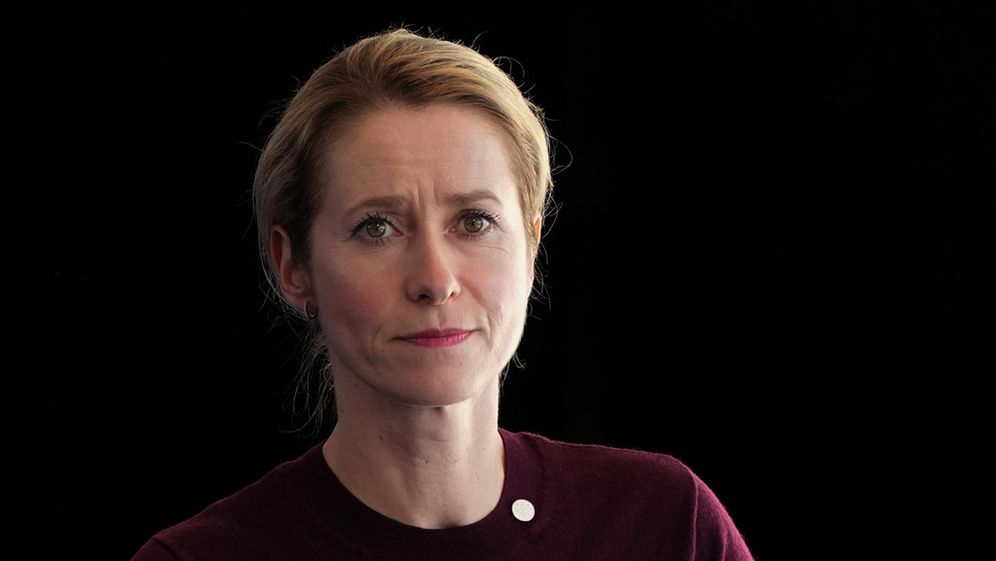
Vice-President of the European Commission Kaja Kallas says she wants to take a new step forward in the sanctions policy against Russia. In an interview with the German daily Die Welt, Kallas announced that she is preparing “the most ambitious sanctions list since the start of the war” for the Fall, intending to increase by about one third the number of Russian entities targeted.
Since the invasion of Ukraine in February 2022, the European Union has adopted 21 rounds of sanctions, now affecting nearly 3,000 individuals and entities. According to Kallas, these measures have already deprived the Russian war economy of more than 1 trillion euros.
The challenge is now twofold. On the one hand, Brussels is seeking to maintain lasting financial pressure on companies, institutions, and networks involved in supporting the Russian military effort. On the other hand, the EU wants to prevent existing sanctions from being circumvented by intermediary companies, parallel trade circuits, or external partners.
This strategy shows that Europe is not relying on a rapid weakening of Moscow, but on a gradual erosion of its economic and industrial capabilities. However, the actual effectiveness of this approach remains debated: Russia has adapted part of its trade, redirected certain flows toward Asia, and developed bypass mechanisms.
Kaja Kallas's proposal therefore mainly reflects a political will: to tighten the noose further without directly involving the European Union in the conflict. But the more sanctions multiply, the more their effectiveness depends on their concrete implementation, on the cooperation of third countries, and on the European capacity to close existing loopholes.
The next package will thus be as much a test of firmness as a test of credibility for the European strategy towards Russia.