The shekel reaches its highest level against the dollar in 30 years
Despite the conflicts, the Israeli economy remains strong and its currency has reached a historic level against the dollar, to the point of worrying exporting companies

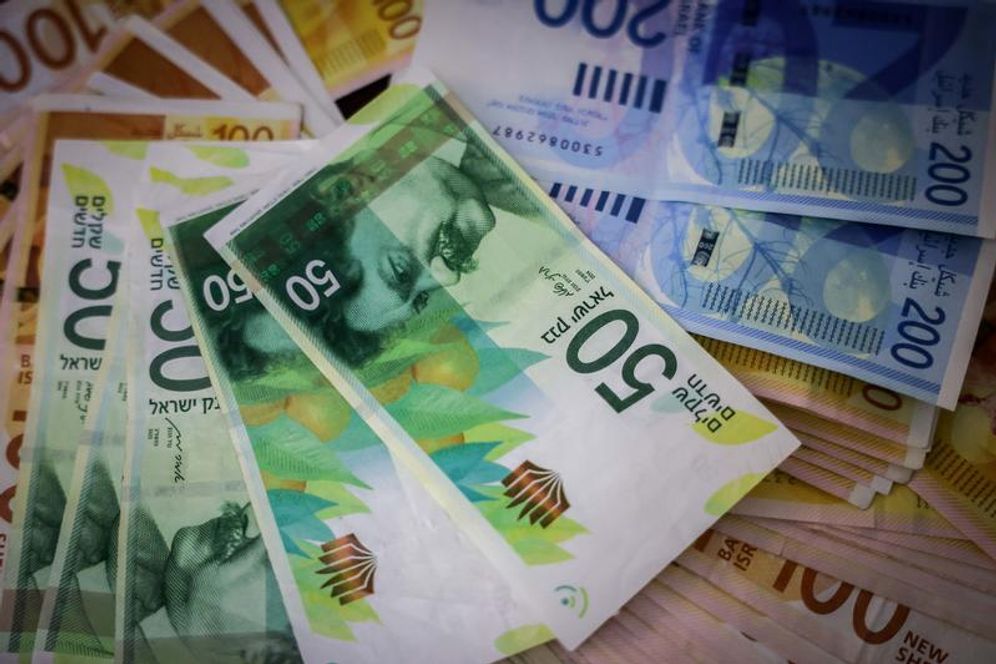
The Israeli shekel has reached its highest level against the dollar in 30 years, despite the conflicts affecting Israel since October 7, 2023. Since early May, one dollar has equaled 2.90 shekels, compared to around 4 shekels in October 2023. Against the euro as well, the Israeli currency has greatly appreciated; one euro went from equaling 4.34 shekels in October 2023 to 3.39 shekels in May 2026.
This increase comes as Israeli economic indicators remain robust. The Bank of Israel forecasts growth of 3.8% in 2026, while inflation fell to 1.9% in March and unemployment remains low, at 3.2%.
A strong currency offers certain advantages for Israeli households: it reduces the cost of imports, especially energy purchased in dollars, and makes travel abroad cheaper. But it also hurts exporting companies, particularly in the tech sector, because their products become more expensive abroad.
According to the Bank of Israel, several factors explain the recent surge of the shekel. The ceasefire in the Middle East has reassured investors, reduced the risk premium on Israeli assets, and encouraged capital to return to the country. The weakness of the dollar, linked to Donald Trump's economic policy, has also mechanically strengthened other currencies, including the shekel.
But the deeper reason may be linked to the American stock market. Israeli pension funds, which are heavily exposed to American equities, hedge part of their currency risk by selling dollars and buying shekels. The higher Wall Street rises, the more these hedging operations increase, which supports the Israeli currency.
Between August 2025 and February 2026, these operations would have represented approximately an additional 23 billion dollars. According to economist Alex Zabezhinsky, this mechanism could explain up to 40% of the recent appreciation of the shekel.
This situation puts the Bank of Israel under pressure. Businesses are calling for a rate cut to weaken the currency, but the institution is hesitating. Its key interest rates remain at 4%, a level higher than those in the United States and the eurozone, which continues to make shekel-denominated investments attractive.
The dilemma is delicate: lowering interest rates could provide relief to exporters, but it could also risk rekindling inflation, especially in a context of war and tensions over energy prices.
The government is also starting to worry. Israeli exports have declined in recent years, dropping from over 76 billion dollars in 2022 to less than 59 billion last year. The Ministry of Finance has announced a funding program dedicated to artificial intelligence, aimed at supporting companies weakened by the strength of the shekel.