One month after the election, Israel still has no new government
Gadi Eisenkot has signed two coalition deals, but his bloc is still short of a majority. With his mandate due to expire December 6, he is accusing Netanyahu’s Likud of trying to run out the clock

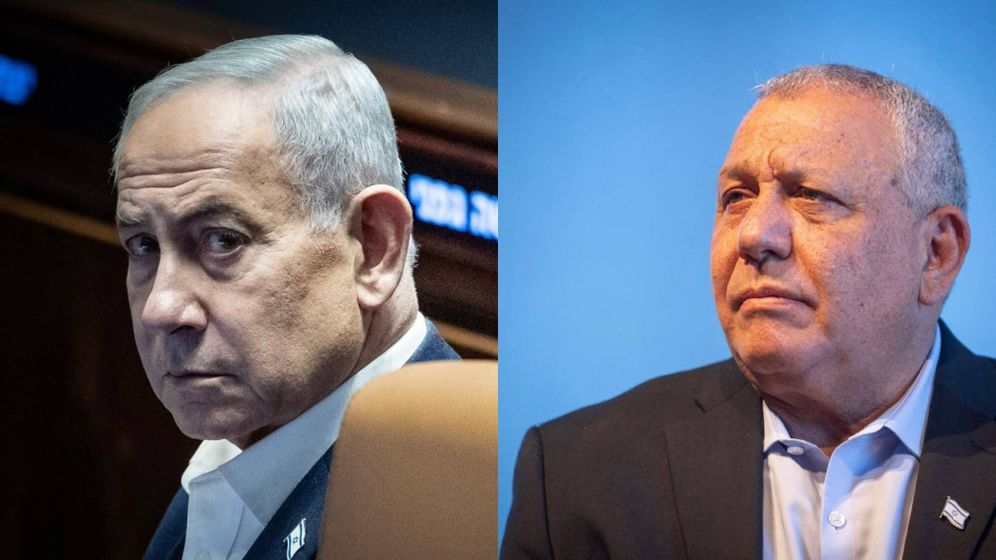
One month after Israelis voted on October 27, Benjamin Netanyahu is still caretaker prime minister, and the man tasked with forming the next government has yet to secure the votes he needs. On Friday, Yashar leader Gadi Eisenkot accused Netanyahu’s Likud of stalling unity talks in hopes of forcing another election. He said he still intends to form a government before his mandate expires.
Why there’s still no deal
Netanyahu’s bloc won 53 seats and Eisenkot’s won 48, leaving both short of the 61 needed for a majority in the 120-seat Knesset. The two Arab-led lists, Ra’am and the Joint List, won the remaining 19 seats, giving them a potential role in determining who takes office.
Eisenkot says he has signed coalition agreements with Avigdor Liberman’s Yisrael Beytenu and Yair Golan’s Democrats. He is still seeking a deal with Naftali Bennett’s B’Yachad. Even with Bennett on board, those four parties would have just 48 seats. Hebrew media reported that rabbinic leaders from one of the factions in United Torah Judaism had cleared the way for formal talks with Eisenkot. The ultra-Orthodox party’s seven seats would bring that bloc to 55. A minority government could still win a confidence vote with support or abstentions from Arab-led parties.
Netanyahu wants unity. But who would lead it?
Netanyahu has publicly called for a national unity government, arguing that Israel needs one to confront the Iranian threat. Bennett also backs a deal with Likud, but wants Eisenkot to serve as prime minister first under a rotation agreement. Golan and Liberman have both rejected a Netanyahu-led unity government.
Eisenkot said on Friday that the dispute went beyond who gets the top job. He said the two sides had met five times in two weeks and accused Likud of refusing to compromise on a state commission of inquiry into the October 7 attacks, a military service law that would apply to all Israelis, and which parties would sit in the government. He said he was still open to a deal if Likud was willing to compromise.
What happens on December 6?
Eisenkot’s initial mandate expires on December 6. President Isaac Herzog can give him up to 14 more days. If Eisenkot fails to form a government, Herzog can give another lawmaker a chance. Another election remains possible if the process ends without a government. Until a new government is sworn in, Netanyahu’s outgoing government remains in office.