Iran suspected of cyberattacks on up to 50 tankers with explosive cargo; some hit with bomb threats - report
A ransom note accused one targeted tanker of being "complicit in the organized crimes" of the US and Israel. Experts warn that most vessels have less cyber protection than a midsize office.

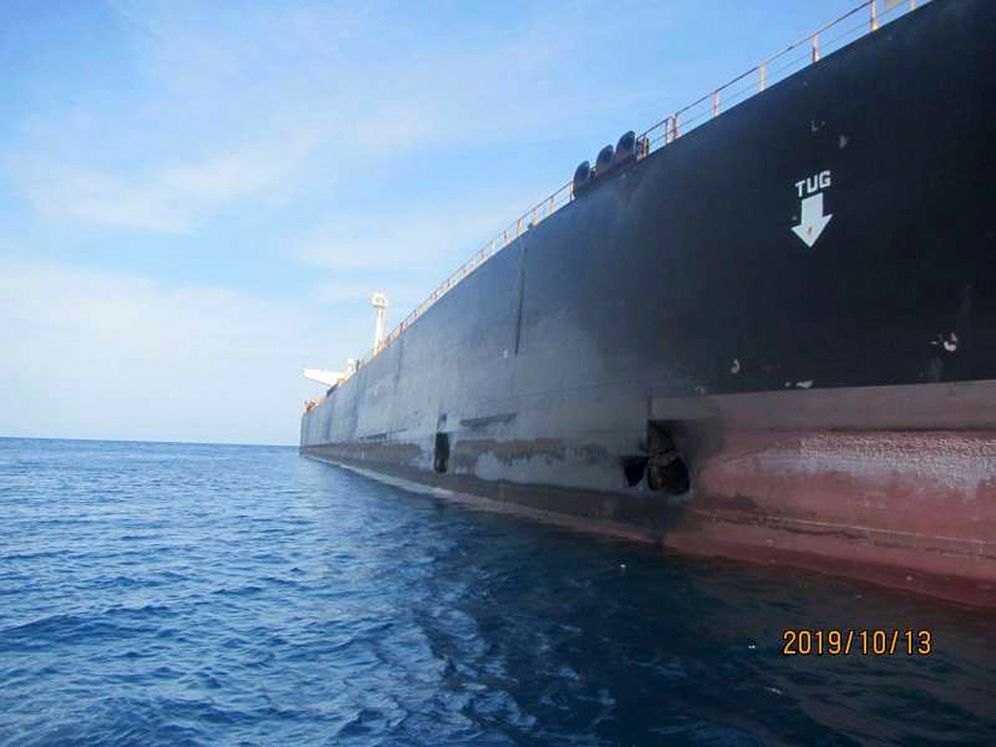
The US is investigating whether Iran is behind cyberattacks on as many as 50 ships carrying oil, liquefied petroleum, chemicals, and other explosive cargo, The Wall Street Journal reported, citing US officials and others familiar with the matter. Some of the vessels also received bomb threats warning they could be blown up.
Iran is a primary suspect, though US authorities also view Russia as a possible culprit, according to the officials. The attacks have raised concerns that Tehran is widening the war through cyber operations, seeking to sow fear among shippers, disrupt critical maritime routes or trigger an explosion at a major port far from the Middle East.
The attackers are exploiting a vulnerability in Fortinet routers popular across the maritime industry, the report said. US Coast Guard cyber protection teams have responded to at least four ships as they approached American ports, while other targeted vessels are operating near Europe and Asia.
A ransom note addressed to the captain of the VL Prosperity, one of two ships targeted while heading to Texas, described the attack as a "planned execution." Published on a Russian-language Telegram channel, it accused the vessel of "illegally" carrying Saudi oil to American ports and of being "complicit in the organized crimes" of the US and Israel, though the letter's origins could not be determined.
A European shipowner recounted that two of his officers delivering natural gas from Louisiana to the Mediterranean received phone messages declaring that "traitor ships will burn in hell," "there is no ceasefire" and "we will hunt you down all over the world." Other ships received warnings in Farsi not to load American products.
A Trump administration official countered that the US has found no evidence of Iranian involvement, describing four attacks as little more than a minor nuisance with no real impact.
"What we're seeing in 2026 is that ships are no longer collateral damage in cyber campaigns; they're deliberate targets," warned Alon Ayalon, co-founder of the Israeli maritime cybersecurity firm Cydome. "The uncomfortable truth is that most vessels sailing today have less cyber protection than a midsize office."
The cyber campaign unfolds as Iran continues physical attacks on ships in the Strait of Hormuz. Director of National Intelligence Jay Clayton recently told a House committee that Iranian threats have "substantially increased."