Iran moves to formalize control over the Strait of Hormuz - report
The report says vessels are vetted by the IRGC, and some pay fees as traffic drops sharply amid war

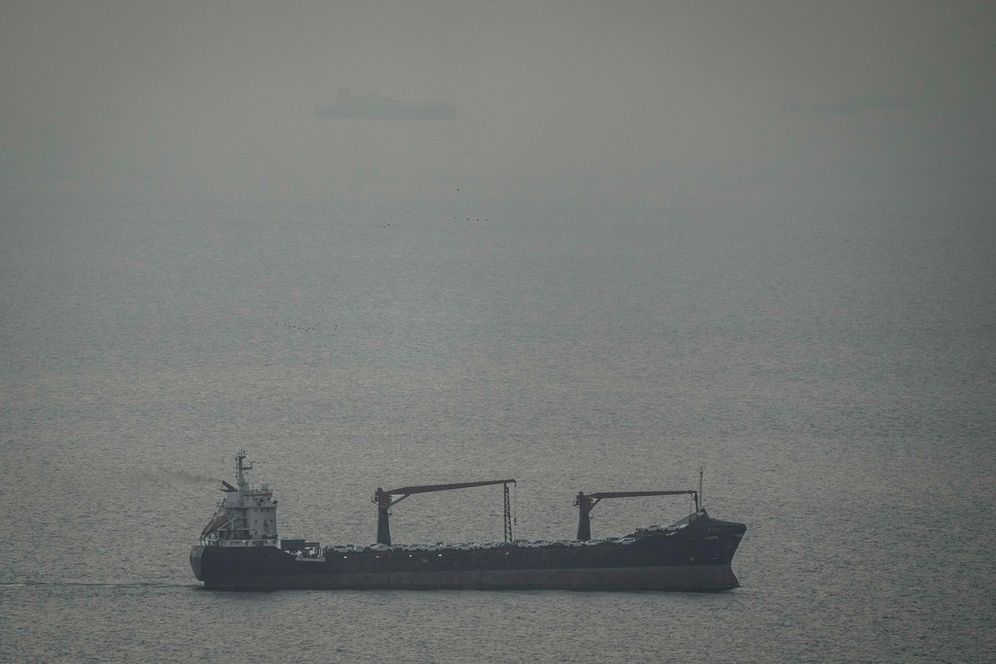
Iran is moving to formalize its control over the Strait of Hormuz, introducing what analysts describe as a formal system requiring vessels to be vetted and, in some cases, pay for safe passage through the strategic waterway.
According to reporting by the Associated Press, Iranian authorities have required ships to enter Iranian waters and undergo screening by the Islamic Revolutionary Guard Corps. Shipping data and communications with international maritime bodies indicate the emergence of a system similar to a “toll booth,” with at least two vessels reported to have paid for passage in Chinese yuan.
The development comes as maritime traffic through the strait has dropped by about 90 percent since the start of the war on February 28. Only around 150 vessels have transited since March 1, compared with typical daily volumes before the conflict, according to Lloyd’s List Intelligence.
Despite the sharp decline in traffic, Iran’s oil exports have remained relatively stable. Data cited in the report shows that the Kharg Island terminal loaded about 1.6 million barrels in March, largely unchanged from prewar levels, with much of the oil destined for private refineries in China.
The report says vessels seeking safe passage must provide detailed information through intermediaries linked to the Revolutionary Guard, including cargo, ownership, destination, and crew lists. Approved ships receive authorization codes and are escorted, with priority given to oil shipments.
Iranian lawmakers are also working to formalize the system. Lawmaker Mohammadreza Rezaei Kouchi was quoted by Iranian media as saying parliament is pursuing legislation to codify “sovereignty, control, and oversight over the Strait of Hormuz” and that it is “natural” for ships to pay fees.
The move has drawn criticism from regional and international actors. The International Maritime Organization has called for coordinated efforts to ensure freedom of navigation, while officials in the Gulf have warned that restricting access could violate international law governing “innocent passage.” Analysts cited in the report said there is “no provision in international law anywhere to set up a toll booth.”