Australia wants to let you turn off the algorithm. Here's why that's a much bigger deal than it sounds - analysis
Social Media giants may be forced to give users an off switch for the code deciding what they see. Supporters call it basic safety. Critics call it the first step toward government-controlled speech

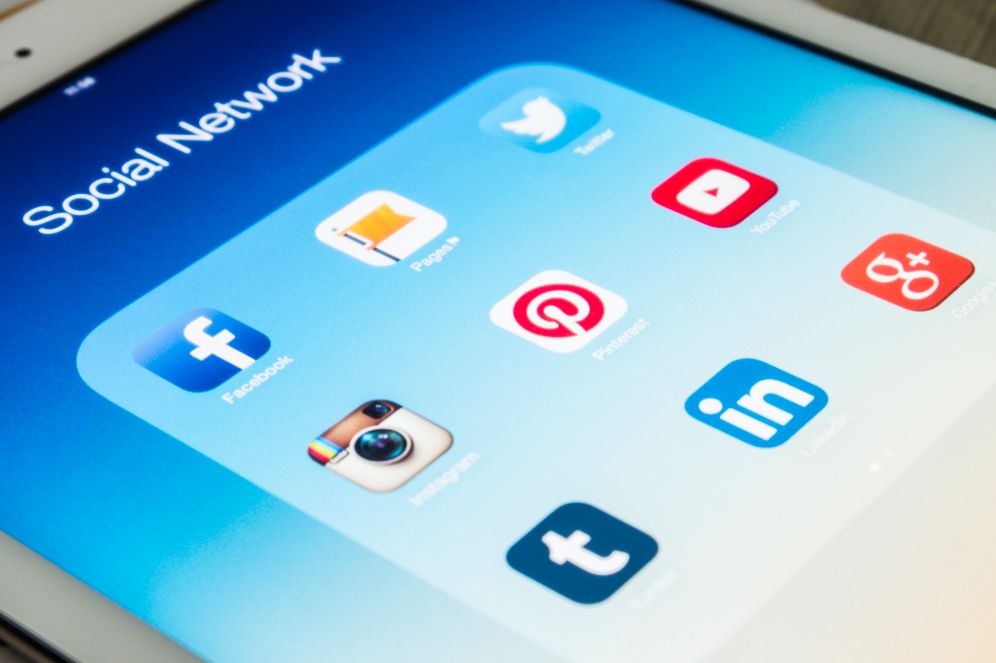
Every time you open Instagram, TikTok, or YouTube, something decides what shows up first. Not your friends, not the people you follow in the order you follow them, but an algorithm, a set of rules built to figure out exactly what will keep you scrolling. Australia now wants to let people switch that off, and the fight over whether that's a safety fix or a form of censorship is only getting louder.
Communications Minister Anika Wells, the architect of Australia's world-first ban on social media for under-16s, is putting forward draft legislation this week that would require platforms to offer users the option to turn off their algorithmic feeds entirely. Skip the option, and companies could face what Wells is calling "substantial" penalties. The government still hasn't settled whether the default should be algorithm-on with an opt-out, or algorithm-off with an opt-in, and says that detail will come from expert advice down the line, much like it did with the under-16s ban.
What an algorithm actually does
Strip away the mystery and a social media algorithm is really just a prediction engine. It watches everything you do, what you linger on, what you like, what you scroll past in half a second, what you comment on, even how long your thumb pauses before swiping away, and uses all of it to guess what will hold your attention next. The goal isn't to show you what's most true or most important. It's to show you what's most likely to keep you on the app.
That's a very different experience from what social media used to be. Turn the algorithm off, and your feed reverts to something closer to a straight timeline: posts from accounts you follow, roughly in the order they were posted, with nothing sorting them by predicted engagement. No suggested content from strangers, no "you might also like," no rabbit hole engineered post by post to keep you watching one more video. It's slower, more boring by design, and for a lot of users, genuinely less addictive.
Which is exactly the point, and exactly why this fight is happening.
Why supporters want the off switch
Wells frames this as a basic consumer protection, no different from a seatbelt or a nutrition label. Her argument: platforms have never had to give users real control over the single most powerful tool shaping their online experience, and it's time they did. "We want to give Australians more choice over what they see on their social media feeds," she told the ABC, while stressing that plenty of people genuinely like their algorithm, whether for entertainment or for practical things like surfacing local businesses.
The case for going further than a simple option came from consent advocate Chanel Contos, who used a National Press Club speech last week to push for an opt-in model instead, arguing that algorithms actively fuel the spread of sexual violence and expose young users to misogynistic "manosphere" content. Her argument is that an opt-out buried in settings changes almost nothing, since most users never go looking for it. Making people actively choose to turn the algorithm on, she argues, is the only version of this law that would actually shift behavior at scale.
The broader bill isn't just about algorithms either. It's also expected to put pressure on platforms to stop the spread of illegal content and material promoting disordered eating, expanding the "duty of care" concept Wells has already built the under-16s ban around.
Why critics see it differently
Opposition leader Angus Taylor has been the loudest pushback, calling himself "highly sceptical" and warning the move could amount to government-driven censorship of what people see online. His argument isn't really about the technology; it's about who gets to decide what counts as a harmful feed versus a normal one, and whether a government mandate on algorithm design opens the door to shaping content in other ways down the line. Wells has firmly rejected that framing, insisting this is about forcing platforms to identify and manage risk on their own systems, not about the government deciding what content people see.
There's also a credibility problem hanging over the whole plan. Australia's under-16s social media ban took effect in December, and research has consistently shown that most kids who were already on these platforms simply kept using them. Wells herself admitted that, so far, not a single tech company has actually been fined for failing to enforce it. Critics on both sides of the aisle are asking a fair question: what's the point of a bold new law if the last one never had teeth.
Suggested articles
The bigger picture
If this passes, Australia would be the first country to legally force an algorithm off switch onto major platforms, going further than the EU's Digital Services Act, which requires transparency about how algorithms work but doesn't mandate a way to disable them. Every tech company watching this closely knows the same thing regulators do: the algorithm isn't just a feature; it's the entire business model. Engagement is what sells ads, and a chronological, unranked feed is, by design, worse at holding attention.
That's exactly why this is being watched well beyond Australia. If Meta, Google and TikTok have to build a real off switch for one country, the technical and political pressure to offer it everywhere else gets a lot harder to resist.