Inca children were given coca, alcohol, and possibly ayahuasca before mountaintop sacrifices, study finds
The authors believe the substances may have calmed the children and eased their grueling climb, while hallucinogens with potentially lethal side effects were likely avoided

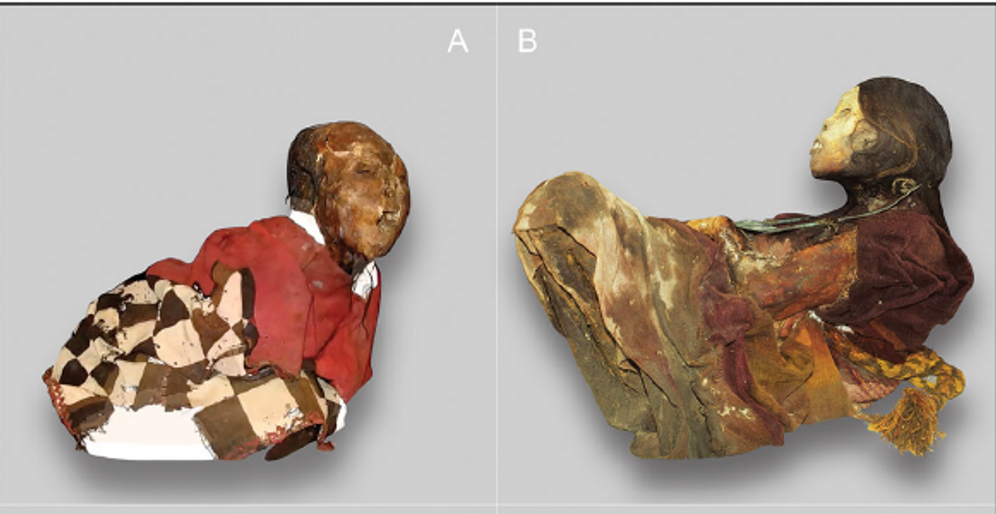
Inca children sacrificed atop Andean volcanoes consumed coca leaves, alcohol, and, in at least one case, a compound linked to the hallucinogenic brew ayahuasca in the months before their deaths, according to a new toxicological study of their frozen mummies.
The study, published in the journal Antiquity, analyzed hair and nail samples from eight individuals sacrificed in capacocha rituals at five volcanoes in Peru and Argentina: Ampato, Chuscha, Llullaillaco, Quehuar and Sara Sara. Seven of the eight were female.
The Inca performed these offerings to venerate their most important deities, often in response to drought, famine, or political instability, and believed the children would serve as messengers between the living and the gods.
"No European chronicler directly witnessed a capacocha ceremony," noted Dagmara Socha, an archaeologist at the University of Warsaw who led the study. "Their accounts were based on secondhand information, which makes archaeological and scientific evidence particularly valuable."
Cocaine and its primary metabolite, benzoylecgonine, appeared in all six hair samples, including those from the Chuscha and Sara Sara mummies, which earlier tests had cleared. Cocaethylene, which the liver produces when alcohol and cocaine are present together, turned up in the children from Chuscha and Llullaillaco.
A nail from the girl known as the "Ampato Maiden" contained small quantities of harmine, a compound common in ayahuasca.
"Hair can be thought of as a kind of biological archive," explained Marzena Sykutera, a forensic scientist at Nicolaus Copernicus University in Poland and a co-author. "Substances a person takes can enter the bloodstream and become incorporated into growing hair, where traces may remain for a very long time."
The plants most likely behind the harmine grow only in the Amazon rainforest, indicating they were traded over long distances. Hair from the Chuscha mummy, examined month by month across her final six months, showed fluctuating coca use and cocaethylene only in the last month, which the authors say probably reflects entry into the ritual's final stage.
The team detected no trace of stronger hallucinogens such as mescaline or DMT. They propose that the children received only substances meant to improve their well-being and mood, since hallucinogenic side effects could have been dangerous during a long pilgrimage over difficult terrain.
Harmine's antidepressant properties may have helped keep them calm. Because the substances differed from site to site, the authors concluded that each ritual should be considered separately, possibly reflecting the distinct prerogatives of individual mountain deities.
Suggested articles
- Ancient humans may have kept souvenirs 500,000 years ago; study points to colorful stones and flint tools | i24NEWS, Henry Kirshner
- Egyptian authorities remove murals of famed Pharaohs over dark features, promoting "Afrocentric" narrative | i24NEWS
- Bringing the Bible back: i24NEWS travels to the Elah Valley to uncover the ancient Judean fortress of Azekah | i24NEWS, Henry Kirshner