Ancient soap workshop uncovered beneath Jerusalem's Old City reveals centuries-old industry
An hourglass-shaped cooking installation centered on a large metal cauldron used to boil oil for soap production was uncovered. The cauldron sat inside a stone-built basin, with a fire chamber beneath

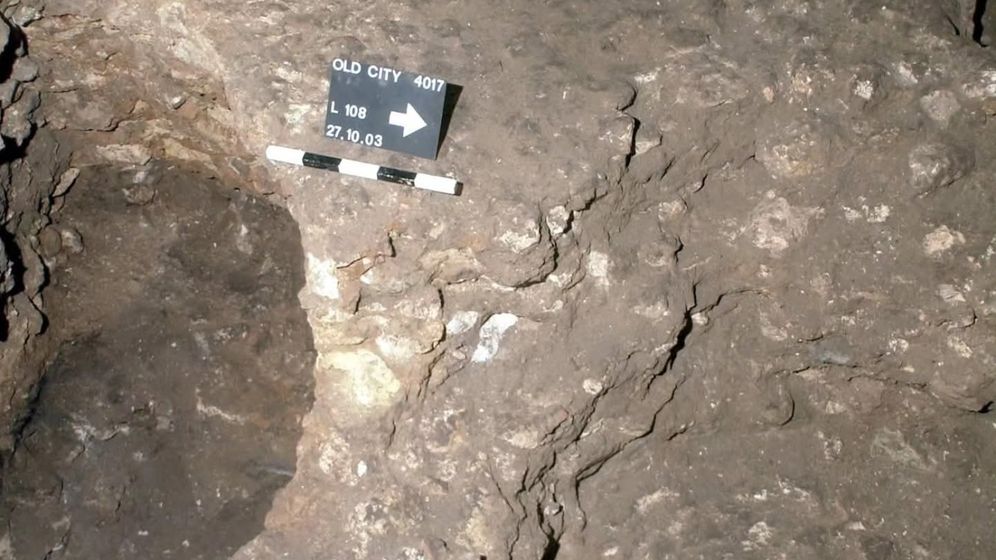
Israel's Antiquities Authority has detailed the remains of a Mamluk-era soap-making workshop discovered beneath a shop in Jerusalem's Old City, shedding light on an industry that later flourished under Ottoman rule.
The Israel Antiquities Authority said the remains of a soap-making workshop were uncovered in Jerusalem's Old City in 2003, during an excavation led by Dr. Tawfiq Daadli. The find revealed that Jerusalem had a well-developed soap industry as early as the Mamluk period, which later became a major economic sector under Ottoman rule requiring specialized knowledge and dedicated facilities.
The excavation uncovered an hourglass-shaped cooking installation centered on a large metal cauldron used to boil oil for soap production. The cauldron sat inside a stone-built basin, with a fire chamber constructed beneath it.
According to the Antiquities Authority, the soap-making process involved mixing olive oil with lime, water and potash-rich ash from burned saltwort plants, then cooking the mixture for several days, sometimes up to two weeks. Once finished, the liquid soap was poured onto the floor of a large room to dry.
After hardening, it was cut into cubes and stamped with the workshop's symbol using a special hammer, in what the authority described as an early assembly-line process. The stamped cubes were then stacked into towers for several more weeks of drying before being ready for use.
The workshop was eventually sealed and covered with earth fill in the 18th or 19th century, when the space was converted into a market shop. Excavators also found older remains beneath the workshop, reflecting the site's layered history over hundreds of years.
The earliest known evidence of soap-like substances dates back roughly 4,500 years to ancient Mesopotamia, in what is now Iraq.
Suggested articles
- Bringing the Bible back: i24NEWS travels to the Elah Valley to uncover the ancient Judean fortress of Azekah | i24NEWS, Henry Kirshner
- Excavations in Jerusalem's City of David uncover royal seal inscriptions from Judah's final days | i24NEWS, Henry Kirshner
- The Babylonian destruction: Archaeologists discover charred beams from First Temple Period elite building | i24NEWS, Henry Kirshner