Abbas should be judged by his actions, not one missing statement - opinion
The Ra’am leader should call Hamas a terrorist organization. But his record deserves more weight in the debate over whether his party belongs in government.

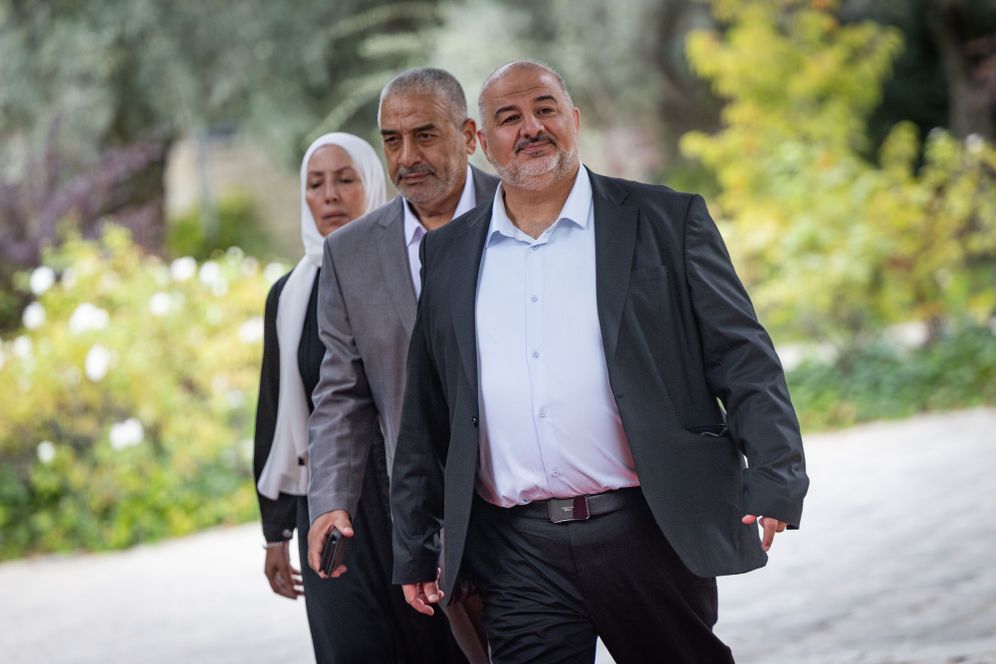
Ra'am party leader Mansour Abbas should say plainly that Hamas is a terrorist organization. The demand is legitimate, and his failure to deliver that unambiguous statement deserves scrutiny.
But it cannot be the only measure of his suitability as a political partner. His actions matter, too—and the record raises a difficult question for his critics: what would be enough?
For years, Jewish politicians urged Arab lawmakers to spend less time discussing the Palestinian national cause and more time addressing the needs of Arab citizens of Israel. Abbas made that shift, placing domestic concerns at the center of Ra’am’s agenda. Yet opposition to partnering with him persisted.
He was asked to recognize Israel as a Jewish state. In 2021, he did. That did not settle the argument either.
After October 7, Abbas condemned the massacre, including on Islamic religious grounds, and worked to bring the hostages home. He also backed Trump’s 20-point plan, including disarming Hamas and ending its rule in Gaza.
These positions do not make Abbas immune from criticism. They do, however, deserve to carry weight. Supporting the removal of Hamas from power and the dismantling of its military capabilities is a substantive position, even if it does not replace the explicit declaration his critics seek.
Hamas itself has treated Abbas as an adversary. In 2022, while Ra’am was part of Israel’s governing coalition, its then-leader in Gaza, Yahya Sinwar, denounced him as a traitor to Islam and the Palestinian people.
The more practical question is whether Ra’am’s participation in government would prevent Israel from acting against security threats. There is already a record against which to assess that concern.
Benny Gantz, who served as defense minister during Ra’am’s time in the coalition, said the party never restricted a military operation. According to his account, he never received a call from Abbas seeking to intervene.
That experience cannot guarantee how a future coalition would function. Any agreement would require clear terms, and every partner would remain accountable for its conduct. But actual experience offers a stronger basis for judgment than assumptions alone.
Abbas should remove the ambiguity and call Hamas what it is. His critics, in turn, should explain whether that declaration would genuinely change their position.
If it would, they should say so. If their objection is to Ra’am’s participation under any circumstances, that argument should be made openly.
Israel’s coalition debate requires scrutiny of both words and deeds. Abbas’s missing statement matters. So does everything he has already done.