‘Coal Eyes’ source describes Sinwar’s pre–October 7 threat as Likud rejects warning claims
Sufian Abu Zaida says he passed an “earthquake” message to the Shin Bet weeks before the attack, but did not understand it as a warning of war

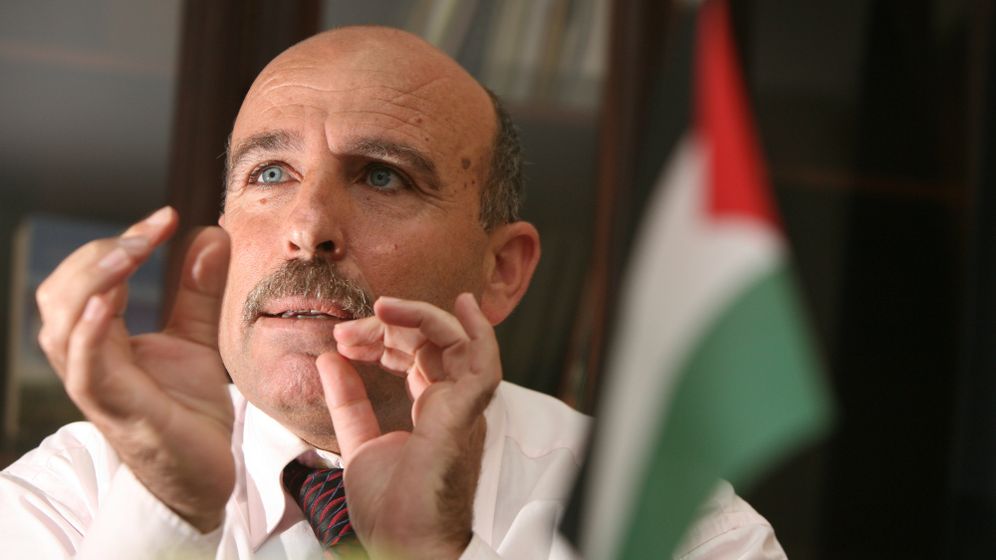
Sufian Abu Zaida, the Palestinian intermediary identified as “Coal Eyes” in a Haaretz investigation, has described how Yahya Sinwar instructed him to deliver a threatening message to Israel just weeks before the October 7, 2023, attack, while acknowledging that he did not anticipate the assault.
In an interview from Geneva with Channel 12, according to the account supplied, Abu Zaida said his final meeting with Sinwar took place on September 14, 2023. Their next encounter had been scheduled for October 8.
Sinwar expressed frustration with negotiations and asked Abu Zaida to record a message precisely, he recalled.
The Hamas leader used the Arabic word “zilzal,” meaning earthquake, and demanded preparations for the release of all Palestinian prisoners, setting a deadline before the end of September.
Showing the interviewer his notebook, Abu Zaida said he had written down Sinwar’s words exactly. Before displaying the passage, he removed a section containing information he said should remain undisclosed.
Although he understood the message as a threat, Abu Zaida said he interpreted it as pressure intended to advance negotiations. He considered the possibility of an abduction in the West Bank that could strengthen Hamas’s bargaining position, rather than a large-scale attack from Gaza.
“I never even considered what might happen on October 7,” he said.
Abu Zaida said he immediately contacted Mohammed Dahlan and Samir al-Mashharawi in the United Arab Emirates, whom he described as the only people aware of his mediation activities. Neither he nor his associates understood the message as an indication that war was imminent, he said.
He then sent the message in Hebrew over WhatsApp to his Shin Bet contact. According to his account, Israeli officials called him back within half an hour, questioned him about Sinwar’s tone and intentions, and requested an urgent meeting the following day.
In the statement supplied, Likud argued that Abu Zaida’s acknowledgment that he had not anticipated war undermined allegations against Prime Minister Benjamin Netanyahu arising from the Haaretz investigation.
The party accused journalist Shlomi Eldar of spreading a “blood libel” against Netanyahu and highlighted Abu Zaida’s account that neither he nor his associates in the Emirates had understood Sinwar’s remarks as a warning of war.
Likud also framed the controversy in electoral terms, arguing that the central choice facing voters was between the right and a Palestinian state.
Abu Zaida’s description of his own interpretation, however, does not establish how Israeli officials assessed the message, who subsequently received it or what action they considered.
Responding to the Channel 12 report, Prime Minister Benjamin Netanyahu’s Likud party said Abu Zaida’s account undermined the allegations against him.
“Yet another balloon of lies has burst, and spectacularly so,” the party said, accusing journalist Shlomi Eldar of basing what it called a “blood libel against the Prime Minister” on the source known as “Coal Eyes.”
Likud highlighted Abu Zaida’s explanation: “I didn’t think what Sinwar told me was a warning of war, or anything close to October 7th; I thought it might be something related to the West Bank. No one, including people in the Emirates, thought it was about war.”
The party accused Netanyahu’s critics of using the allegations to distract voters from what it described as the central election issue: “It is either the Right or Palestine.”