Eisenkot urges Netanyahu to avoid non-urgent military action; PMO calls warning ‘irresponsible’
Yashar leader warns of risks to democracy during political transition, while Netanyahu’s office says decisions are based solely on security needs

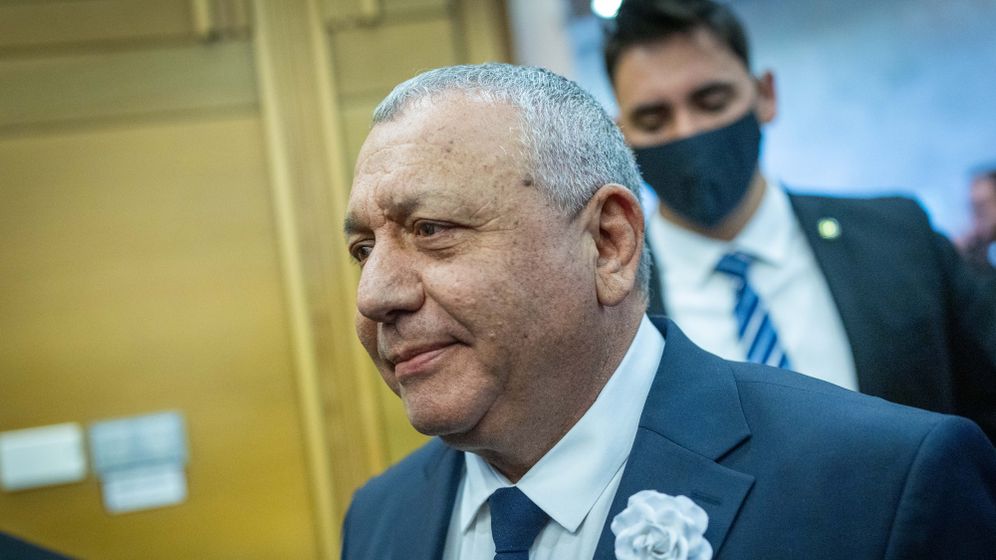
Gadi Eisenkot urged Prime Minister Benjamin Netanyahu on Wednesday to exercise restraint in military decision-making until a new government is sworn in, warning that action without an immediate security need could undermine Israeli democracy and public trust.
In a letter to Netanyahu, the chairman of Yashar! With Eisenkot argued that the caretaker government’s political position required exceptional caution on national security matters.
“I demand that you act with national responsibility during this sensitive period,” Eisenkot wrote. “Exercise restraint and caution regarding dangerous moves—actions that can wait until a new government, which enjoys the confidence of the Knesset, is sworn in.”
https://x.com/i/web/status/2120566704191533327
This post can't be displayed because social networks cookies have been deactivated. You can activate them by clicking .
Eisenkot warned that deploying security forces without a “direct, immediate, and urgent threat” could have devastating consequences for democracy and citizens’ confidence in state institutions.
He also called on Netanyahu to provide clear guidance on decisions requiring the prime minister’s explicit approval, saying security chiefs must not be placed in a constitutional conflict or left uncertain about their responsibilities.
“Do not undermine the public’s trust in the institutions of government and the decision-making process,” he wrote.
The letter cited what Eisenkot described as concerning reports that considerations unrelated to security were influencing decisions. He did not identify specific operations or reports.
Responding to the letter, Netanyahu’s office said all government decisions had been based solely on security considerations and made in full coordination with the defense establishment.
“These decisions have yielded unprecedented achievements for the State of Israel, and this will continue to be the case in the future,” the office said.
It called Eisenkot’s public discussion of sensitive security matters “an irresponsible move” and “a transparent attempt to politicize Israel’s national security issues.”
Netanyahu’s office also renewed its invitation for Eisenkot to join the government, while accusing him of seeking to form a coalition with parties it described as “supporters of terrorism.”