Middle East oil exports rebound sharply as shippers regain confidence in Strait of Hormuz
Oil exports from the Middle East have risen sharply this month, approaching levels from before Iran shut down the Strait of Hormuz in March

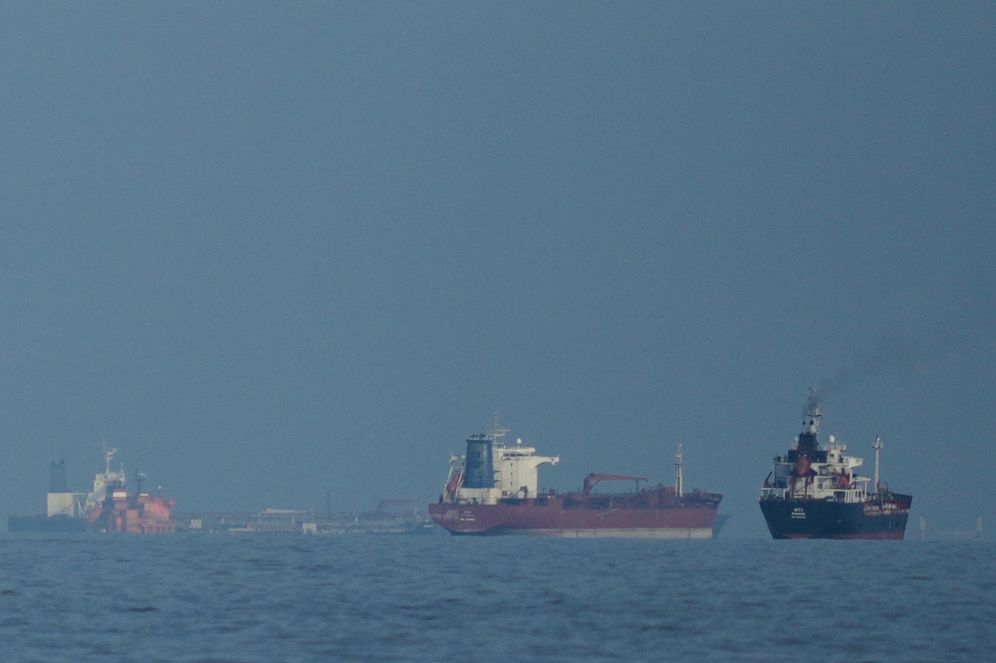
An average of 10 million barrels of oil moved through the Strait of Hormuz daily in September, according to tanker-tracking firm Kpler, with an additional 6 million barrels a day bypassing the strait via pipelines and ports. Before the war with Iran began in late February, around 19 million barrels of crude left the region daily through the waterway and other routes.
The rebound has been most notable in the strait itself, even as Iran continues to attack tankers. A US military operation protecting vessels appears to have boosted shipping confidence among major exporters such as Saudi Arabia and the United Arab Emirates.
Some analysts say the export increase suggests Iran may be losing control of the waterway, as a US blockade has cut off the country's ability to export its own oil.
Suggested articles
Tanker-tracking estimates vary
Nevertheless, Kpler's estimates appear overly optimistic compared to other tracking reports. TankerTrackers.com calculated 7.4 million barrels a day moving through the strait this month, while Vortexa's provisional count was around 7.9 million.
Despite the rebound, oil prices remain well above prewar levels, and global supply still lags demand.
A dispute has also emerged over US Central Command's data. Adm. Brad Cooper said in a September 19 video that one billion barrels had moved through the strait "in the last couple months," a figure that would exceed prewar averages if spread over two months. Central Command spokesman Capt. Tim Hawkins later said the figure covered "a few" months and said over 13 million barrels a day passed through the strait in the last two weeks.
Some congressional Democrats and intelligence analysts have questioned whether Central Command's estimates were inflated under White House pressure, an allegation the Defense Department rejected.