Chokepoints and the Vulnerabilities of a Global Economy - analysis
Should armed conflict or a naval blockade erupt across these waters, East Asia's primary energy supply lines would face severe disruption, compelling commercial vessels to detour

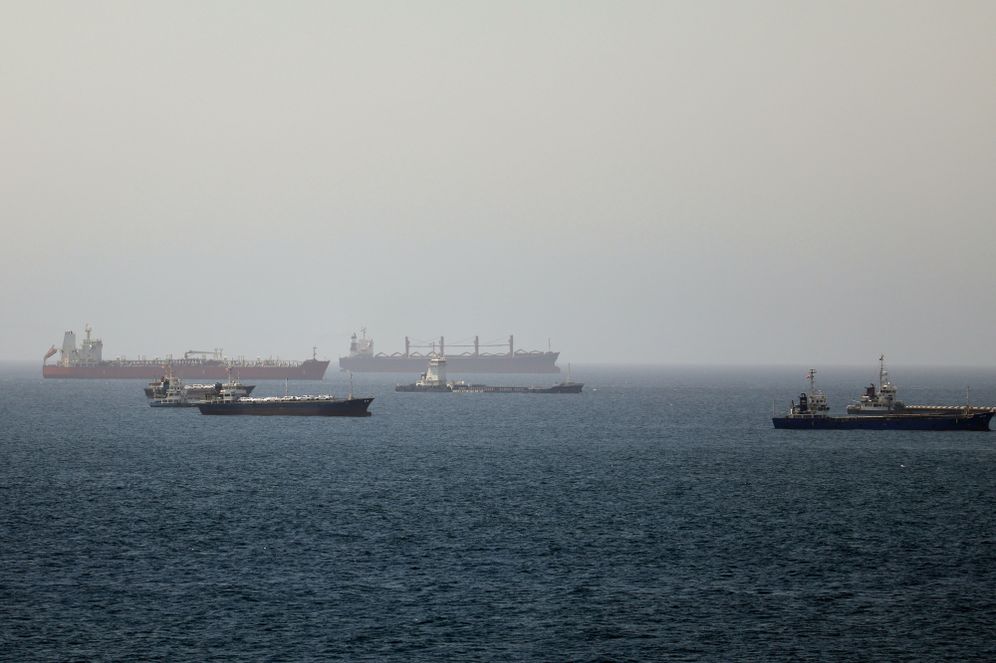
In 2026, the world has become intimately aware of the Strait of Hormuz and the throttling effect it has on the global economy. From garment factory workers in Bangladesh to US mid-term voters, billions of people experienced the impact of humanity’s interconnected economy through increased prices this year. The economic ripples caused by the United States and Israel attacking Iran, prompting the Islamic Republic to close the strategic transit route, may be felt for some time to come. But the historical transition also highlights the danger of trade chokepoints to everyday consumers in an increasingly unstable world.
Oil, Liquefied Natural Gas (LNG), and petrochemicals like fertilizers pass through the Strait of Hormuz, and their reduction in output is real and tangible in the prices we pay to fill up our cars, heat our homes, and feed our families. The gap between everyday life and geopolitics suddenly feels a little narrower.
But the Strait of Hormuz is not unique. In fact, at present it’s not even the world’s most dangerous waterway.
Last week the Wall Street Journal published an article examining attacks against shipping in the Strait of Hormuz and in the Black Sea, where Russia and Ukraine have been hitting export and import shipping, especially impacting grain shipments. Maritime security firm Ambrey recorded more than 300 attacks against shipping in the Black Sea this year, killing more than 30 seafarers and leaving a further 20 missing.
Separately, the International Maritime Organization recorded around 130 attacks in the Strait of Hormuz and the wider Middle East, in which 25 seafarers were killed since the US-Iran war began. The violence has also begun spilling towards the territorial waters of NATO members Romania and Bulgaria, raising the prospect of a wider international confrontation.
The economic consequences are becoming increasingly apparent: in October, the number of ships entering the Black Sea through the Bosporus fell by 41% compared with the same month last year, while overall transits in both directions declined by 38%. For countries dependent on Ukrainian agricultural exports, particularly across Africa and the Middle East, the disruption threatens another important source of food supplies.
Around the world, there are other key transit routes that could very easily become choke points if armed conflict were to impact them. In an interconnected global economy, that could mean yet further shocks to the price of food and fuel.
Suggested articles
While war has always existed, the current trend towards an increase in state-on-state violence - which tends to occur at a greater scale than conflicts involving non-state actors - means that these vital arteries are threatened more today than they were in our recent past.
Also recently in the news, due to battlefield gains made by the Houthis in Yemen, the Bab el-Mandeb Strait is another of these strategic choke points. It serves as the primary maritime bridge linking the Red Sea with the Gulf of Aden, acting as a critical gateway connecting the Indian Ocean to the Suez Canal.
In 2023, approximately 8.7% of total global seaborne commerce navigated this narrow corridor, encompassing nearly one-fifth of all international containerized freight and automotive cargo shipments. The pass remains equally vital for transporting Middle Eastern oil and petroleum products bound for European markets.
Houthi strikes conducted since late 2023 highlight the extreme vulnerability of this passage, showing how rapidly localized conflict can destabilize international supply chains.
Such choke points are not limited to the geography of the Middle East. Farther east lies the Strait of Malacca, a crucial nexus connecting the Indian Ocean to the South China Sea and the broader Pacific Basin.
Positioned as the world's largest maritime oil chokepoint by volume, it saw roughly 23.2 million barrels daily move across its waters during the opening half of 2025—accounting for nearly 29% of all international seaborne oil shipments. China is particularly dependent on this artery, accounting for 48% of the oil imports passing through the strait in the first half of 2025.
Should armed conflict or a naval blockade erupt across these waters, East Asia's primary energy supply lines would face severe disruption, compelling commercial vessels to detour along significantly longer and costlier routes around the Indonesian archipelago. If a confrontation were to emerge between the United States and China in their ongoing Thucydides Trap, then it seems likely that the Strait of Malacca would soon become a household name and the cause of rising bills, just like the Strait of Hormuz is today.