US Senate rejects War Powers Resolution 49-47, hours after the House voted in favor of its own
Thursday's vote is the second time the House has moved to check Trump's war powers on Iran, and the first since a ceasefire memorandum of understanding between Washington and Tehran collapsed

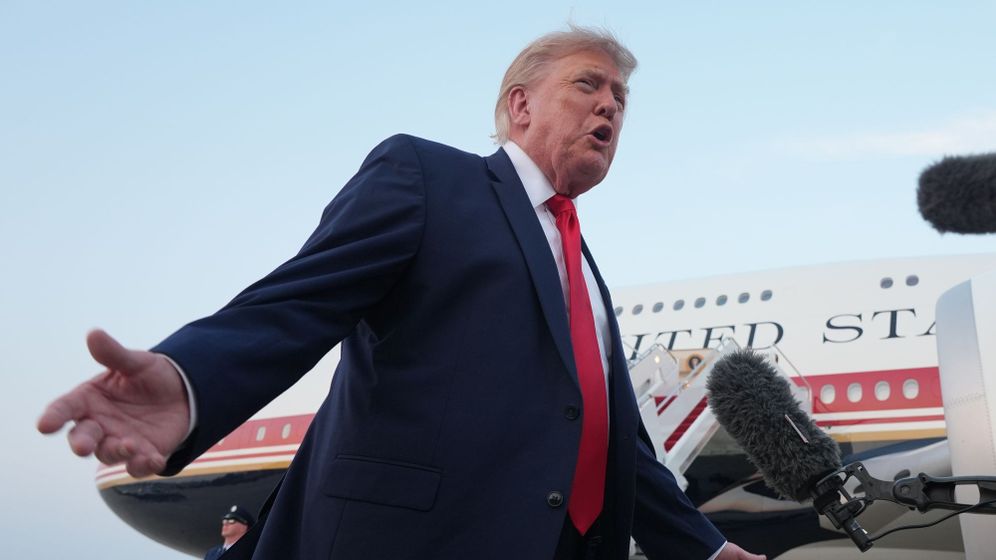
The United States House of Representatives passed a vote, 214 to 208, on Thursday, directing President Donald Trump to halt US military action in Iran without congressional approval. Four Republicans broke ranks and voted in favor of the resolution: Thomas Massie, Brian Fitzpatrick, Tom Barrett and Warren Davidson.
However, just hours after that vote was passed, the Senate voted down a similar resolution.
Regardless, neither measure compels the administration to end the war since concurrent resolutions are not presented to the president for signature and lack the force of law.
Suggested articles
- House passes war powers resolution to limit Trump's military authority in Iran | i24NEWS, Henry Kirshner
- House deadlocks on Iran war powers resolution as Republican cracks widen | i24NEWS, Henry Kirshner
Thursday's vote is the second time the House has moved to check Trump's war powers on Iran, and the first since a ceasefire memorandum of understanding between Washington and Tehran collapsed. Democrats have repeatedly forced such votes in both chambers, gradually gaining more Republican support as discontent grows within the party over the conflict's trajectory.
Trump has dismissed previous war powers votes as "unpatriotic" and "meaningless," and has criticized Republicans who broke ranks, calling four House members "grandstanders" after the June vote and Senate Republicans who supported an earlier resolution "losers."
Polling from the Washington Post and Ipsos in July found most Americans disapprove of Trump's handling of the conflict and do not believe the war has been worth fighting. About two-thirds of Republicans approve of his approach, though roughly a third remain unconvinced that military action and negotiations will prevent Iran from developing nuclear weapons.