COGAT rejects IPC report, cites food and aid gains in Gaza
The dispute highlights competing narratives over the humanitarian situation nearly nine months into the ceasefire

The Integrated Food Security Phase Classification released a report Thursday warning that 1.4 million people in Gaza, 67% of the population, are expected to face Crisis or worse food insecurity from July through December. The report also projected 74,200 children aged six to 59 months will suffer acute malnutrition through April 2027, including 11,432 severe cases.
The Coordinator of Government Activities in the Territories (COGAT) flatly rejected the claim. COGAT says the IPC's conclusions rely on flawed methodology and systematic bias. "This conduct demonstrates that the current report is not the product of a genuine professional effort to assess the humanitarian reality, but rather an attempt to justify a predetermined narrative," the agency said, adding that it was not contacted before publication.
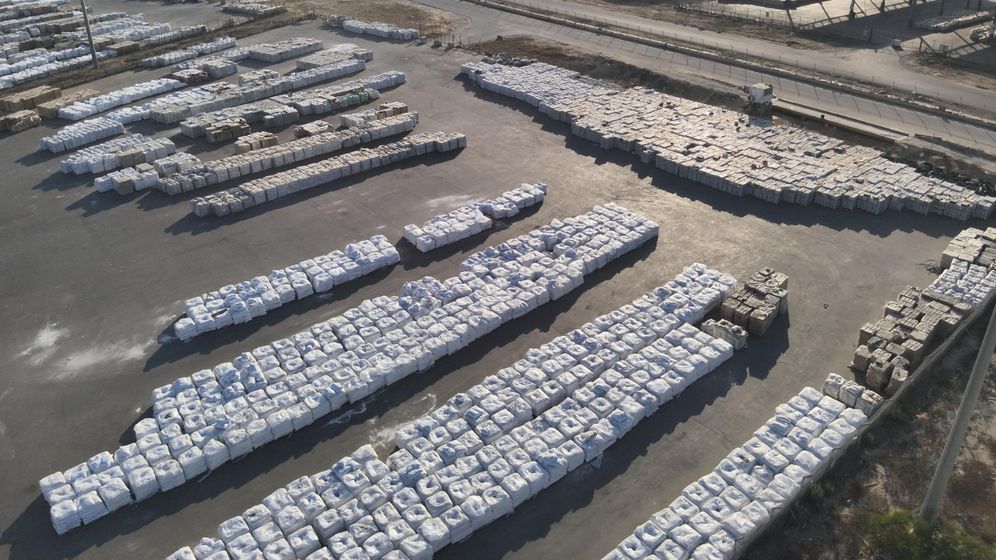
COGAT pointed to its own recent report, based on data from the UN, international organizations and the Civil Military Coordination Center. It said 1.8 million tons of food have entered Gaza since the ceasefire began, nearly triple the World Food Programme's requirements, contributing to a 72% drop in food prices. The agency said more than 70,000 cubic meters of water are supplied to Gaza daily, exceeding international standards, and that 18,000 tons of medicine and medical supplies have entered the territory, with hospital bed capacity up 55%.
Suggested articles
The IPC report offered a more cautious picture. It found food consumption has improved from Phase 4 to Phase 3 levels since December but remains inadequate for most households, with 83% reporting no source of income. Aid coverage has declined since February, from a peak of 2.13 million people reached in November to 1.49 million in May, a drop the report attributed to funding constraints and uncertainty over operational authorizations for 37 international NGOs.
COGAT blamed Hamas for undermining aid delivery. "The primary obstacle to improving the humanitarian situation in the Gaza Strip is the Hamas terrorist organization, which continues to seize humanitarian aid, exploit the humanitarian space for its military and governing purposes, and refuse to disarm," the agency said, adding that UN officials have also raised concerns about Hamas interference.
The IPC report said advancing peace plans remains essential to prevent a reversal of recent gains and to allow displaced families to return home and rebuild. COGAT said it will continue working with the US, the UN and international partners to expand humanitarian assistance while guarding against exploitation by Hamas.