Chemi Peres on his father’s legacy: Why peace and innovation must go hand in hand
The chairman of the Peres Center for Peace and Innovation says Shimon Peres’s vision remains as relevant as ever — but believes Israel must think bigger, and focus on creating a better future

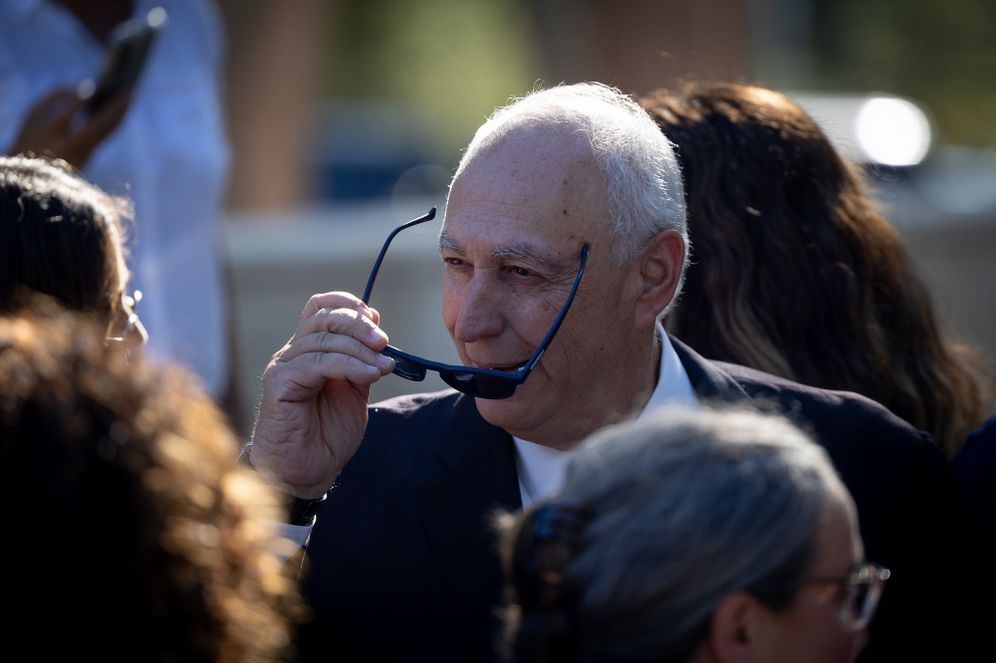
For the late Shimon Peres, peace was not simply the absence of war. It was an opportunity to build a better future through cooperation, science and innovation. Today, his son, Nechemia (Chemi) Peres, is working to carry that vision forward as chairman of the Peres Center for Peace and Innovation in Tel Aviv-Jaffa, while also serving as co-founder of venture capital firm Pitango.
Founded by Shimon Peres, the center brings together people from different communities through programs in healthcare, sports, business and technology. Its mission is to build relationships between Israelis, including Jews and Arabs, as well as people across the wider region, while using innovation to address shared challenges.
“The Peres Center was initially created as a center for peace, a place where the peace process can be realized,” Peres told i24NEWS. “While leaders are negotiating peace agreements, peace also needs to be built bottom up.”
The idea is to create opportunities for people to work together, discover common ground and build lasting relationships. Whether through sports programs that bring young people together or entrepreneurs collaborating on new businesses, the center believes shared experiences can help lay the foundations for coexistence.
Over time, innovation became an equally important part of that mission. For Chemi Peres, the two are inseparable: building a shared future means not only bringing people together, but also developing the technologies and solutions needed to tackle tomorrow’s challenges.
He points to the COVID-19 pandemic as an example of why international cooperation matters. Global threats, from pandemics to climate change and emerging technologies, cannot be addressed by countries acting alone. They require solidarity, scientific progress and collaboration across borders.
“That’s the overarching vision of my father: why peace is so important, why tomorrow is important and why technology is so important,” he said. “That’s the legacy that we are trying to fulfill at the center.”
His father’s fascination with the future would almost certainly have extended to artificial intelligence. Chemi Peres believes Shimon Peres would have been particularly interested in technologies that help us understand the human brain and how people behave — and in the responsibility of powerful technology companies to improve humanity’s future.
But he also believes Israel has yet to reach its full potential.
In his father’s final book, No Room for Small Dreams, Shimon Peres challenged people to think beyond what seemed possible. Chemi Peres says that message remains relevant, arguing that Israel needs a broader national vision that goes beyond its reputation as the “Start-Up Nation” and focuses on the country’s long-term strategic strengths.
“I think Israel is not yet dreaming big enough,” he said. “I see the potential, there are entrepreneurs that are thinking very big, but as a nation, as a mindset, I think we need to work towards the day where we are really going to think big.”
He also believes innovation alone cannot change how Israel is perceived internationally. That requires the right policies, renewed efforts toward reconciliation and greater investment in soft power — telling the country’s story in ways that connect with people around the world.
Ultimately, the Peres Center seeks to turn its founder’s belief in a better tomorrow into something tangible: a place where peace is built through human connections, and innovation becomes a tool for creating a future that people can share.