Former Hostage’s daughter urges UN to reconsider UNRWA funding
“How can you entrust the education of the next generation in Gaza to someone involved in the detention of an elderly woman?”

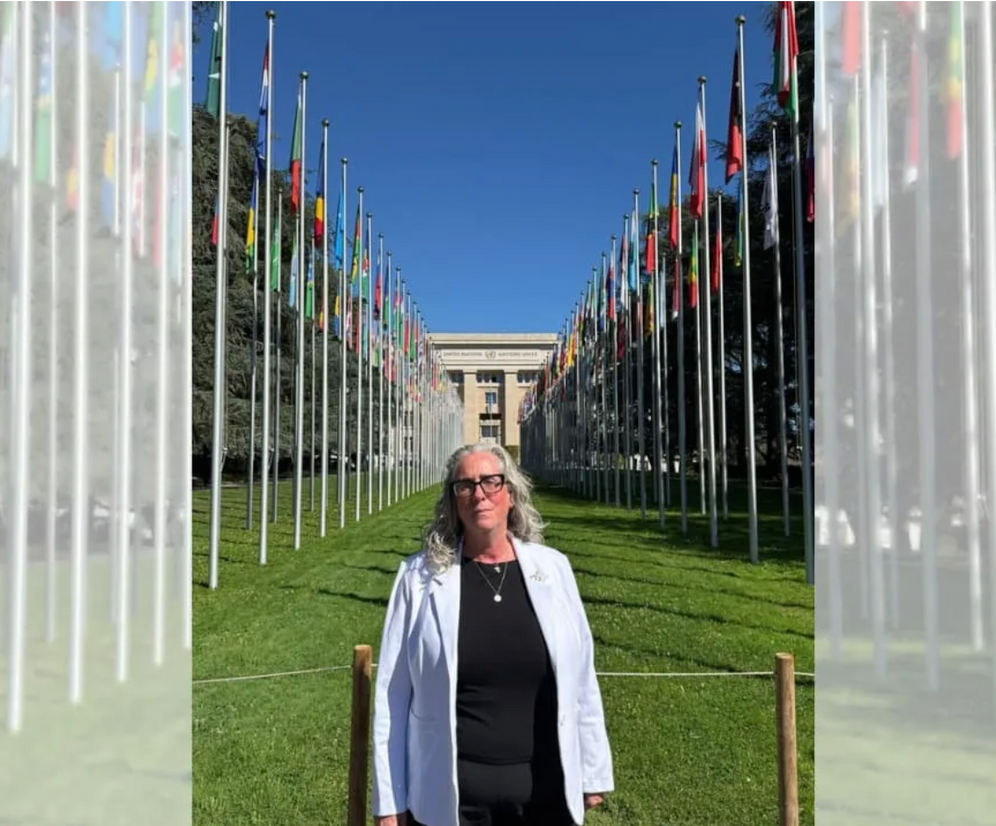
Neta Heiman Mina, whose mother was held hostage in Gaza, appealed to the United Nations on Tuesday to reconsider its continued funding of UNRWA amid allegations that some agency employees had ties to Hamas.
Addressing the 63rd session of the UN Human Rights Council in Geneva, Heiman Mina described the conditions her mother, Ditza Heiman, endured after being abducted during the Hamas-led attack on Israel on October 7, 2023.
Heiman was 84 when she was taken hostage and was held in Gaza for 53 days. According to her daughter, she spent 48 of those days confined to the attic of a man identified as an UNRWA teacher, where she was kept in difficult conditions and given very little food.
“How can you entrust the education of the next generation in Gaza to someone involved in the detention of an elderly woman?” Heiman Mina asked UN representatives.
She argued that her mother’s experience was not an isolated case, pointing to allegations that several UNRWA employees participated in the October 7 attack and hostage-taking. She also referred to Suhail al-Hindi, a former head of the agency’s staff union in Gaza whom Israel has accused of maintaining ties to Hamas.
Heiman Mina delivered the remarks on behalf of UN Watch and Engineers of the World during a council debate on human rights education.
Established in 1949, UNRWA provides humanitarian assistance, education and health services to Palestinian refugees in Gaza, the West Bank and several neighboring countries.
Her appearance came one day after UN Watch released a report criticizing reforms undertaken by the agency. The organization alleged that UNRWA had overstated the progress it made following revelations about the suspected involvement of some employees in the October 7 attack.
UNRWA says it has implemented 41 of the 50 recommendations issued by an independent review led by former French Foreign Minister Catherine Colonna. UN Watch disputes that assessment, arguing that only 13 recommendations have been fully implemented.